Urg...
Showing posts with label Far Cry. Show all posts
Showing posts with label Far Cry. Show all posts
Saturday, 21 October 2023

Sunday, 31 October 2021
How open worlds vary
One hill too far.
The Open World game is one of the most complicated beasts in all of gaming if you ask me. At it's heart, the very concept is indicative of the modern prototypical assumption of what a game even is, as informed by the supremacy of 3D era Grand Theft Auto games and the deluge of copycats that streamed after it. We're long past the days when gaming was chiefly represented by the Goomba stomping platforming antics of Mario, and maybe rubbing onto an age where online deathmatch games will take the predominant spotlight. (or at least, more online centric style games) But for the time being there's a special sort of intrinsic familiarity we all feel when a Open World game is laid before us, even when we've no idea what it's about or the roads it will travel, because these sorts of games have been ironed into our very souls. They'll have an almost smothering amount of freedom, usually plenty of ways to kill time beyond just playing the main quest, typically follow a traditional narrative set-up and take anywhere upwards of 20 hours to beat. So if this image is so well ingrained, why aren't these games created equal?
Indeed, one may look upon an open game world and consider it's sprawling golden fields a bounty of exploration and untapped dynamic adventure, whilst that same person could look upon another and shudder at the magnitude before him and the chore of tasks that await behind just those mossy hills. The observer hasn't changed, the game has, but in ways that aren't exactly obvious to first impression. Heck, it might not even be clear to most developers either, given the way in which a sizeable number of these guys make their bread and butter churning out the latter type of open world whilst each time promising it's the former. So whereas we may sing our praises of Rockstar's Open Worlds, from GTA to Red Dead Redemption, we roll our eyes as the, sometimes bigger, play spaces of Ubisoft's Assassin's Creed and Watch_Dogs, and I wanted to see if I could pinpoint the many reasons why.
I think a lot this starts with design intent, and the purpose of the world that is in the process of being made. Ubisoft and Rockstar have very different approaches when it comes to this most basic of step, and it lays the foundations for very different styles of games, despite their rather comparative visual quality to one another. With Ubisoft the purpose of the world being made is very functional, in that it's always created into chunks and regions that are separated by the rising tide of difficulty and the game's overall challenge, rather than the natural heart of what this virtual world would look or feel like. Rockstar are more into the idea of creating a believable play space, and so you'll usually notice that their worlds are specifically designed to feel lived in and genuine above all else. Of course some concessions are made to be more pleasing for the player to either navigate or look at, but verisimilitude never leaves the thought process for any significant amount of development time.
Another big component is the art of actually filling that world, known not-so-affectionally as 'side content' in gaming vernacular. Again, this links back to design intent, but is perhaps the most clear way that we can see what sort of open world we're dealing with. Rockstar, in recent years, has tended towards side content that is formed in minigames or meta tasks, or just something that is going to give the player reason to return to parts of the map repeatedly, perhaps even beyond the life of the core narrative. Even further points, in Rockstar's book, if it feels like a natural addendum to that part of the world and creates the sorts of activities that people within this world might enjoy in these locations. (Tennis minigame at the courts down by Venice Beach, for example) Ubisoft have an approach that has invited comparison to 'checklists', for the way that their 'side content' is almost always different types of collectibles. Chests, fathers, flags, pages, stuff shoved around the world with no care about why they might be there in-universe or even for enriching that area of the map for repeat visitors. They're just blips on the map that lure you over just to pick them up and then you'll likely never return for the rest of the game; contributing to the feeling that a lot of Ubisoft open world's feel supremely under-utilised and wasted.
The biggest use of the world in a game is, of course, to be a vehicle for the main narrative, which means right now I'm assessing its primary purpose. You'll hear different terms be thrown around which are mostly synonymous but have their own quirkish oddities to them. Sand Box, Open World, Hub space; that generally relate to how the game world exists for it's narrative. Games like Destroy All Humans and Red Faction Guerrilla (as well as Far Cry) have a sandbox world that exists for the player to mess around with and have fun in. The main narrative merely exists to direct people across this space in a linear fashion, directing them to steadily more dangerous areas as we discussed earlier. More open world games like GTA, Red Dead and Fallout either lack these 'linear scale of difficulty related to location' or hide it more subtly. They try to engage with actual world building and instilling purpose and justification to the various lands you visit. Those storylines might have you spending all of your time around one area of the map simply because this is where it feels natural for events to be happening, the skill comes in justifying way players should branch out to the more dour and less central corners of the play world as well.
And then there's the question of the non-essential addendums to our worlds. The things that aren't related to exploration or side activity, the visuals and mechanics that are merely in place to make the world feel alive. How can I believe that this world is breathing if I don't believe people actually live in it, and the way that developers handle this question is one of the most interesting to me. Having people wonder the streets and towns seems a given, but the way in which different games handle this simple factor varies wildly. In Ubisoft games they pride themselves on the diversity of the crowds and the cultural accuracy of their looks. (Or for Far Cry games, the accuracy of the dynamic wildlife) Rockstar games have gone to making the crowds act with unique animations or react in fun ways to the situations around them, and Elder Scrolls gives every single character a unique routine and a backstory. There's no recipe for success here, and that's why it's so fun to compare and contrast.
I have a special relationship with open world games, in that I have a tendency to love as many as possible whenever I can, even despite the weaknesses here and there. Rockstar worlds can sometimes forget to prioritise certain corners of their maps through their need to provide purpose to every waypoint. Far Cry games often don't spend enough time anywhere, or does such a poor job in being believe that nothing feels real to me and I end up caring little for it. Assassin's Creed games pile on worlds that are too big with ludicrously expansive collectibles or side quests chains so that it feels like a total chore to slog through. No one type of open world is perfect and for all of their flaws they all have their benefits too. Rockstar worlds are endlessly replayable, Ubisoft worlds are unerringly gorgeous, Bethesda worlds always feel brimming with living lore. They're all special in my book.
The study of open worlds is fascinating to me, and I could see myself coming back to this topic time after time in my life and finding a new shade to fawn over every single time. I just feel that of all the archetypes of games out there, of interactive art pieces, these are the one's that feel the least defined and yet the most explored. Nothing in art is ever straight forward and simple, of course, but that doesn't make the humble open world game anyless mysterious and wild to a simpleton like me. And maybe at some point there could be room on this blog for analysis of all those hundreds of games out there with open worlds that don't work on any level, and from there I might start to deduce that special recipe for invariable open world success. (It might be fun)
Tuesday, 3 September 2019
Gotta go fast!
"Ka-Chow!"- A sentient demon car
Today I decided to focus on something outside of my traditional wheelhouse; the ever-so-humble racing game. I'm usually a player who likes to take their time, as indicated by my favourite genre being; Stealth games, so you'd imagine that a game which tasks me with speeding about a course would the absolute opposite of fun to me. Not so, it would seem, as I always come back to the noble sport of racing now and then. Not that I'm good at it, oh no, but I always give it a shot whenever I get the opportunity. (Maybe it's the masochist in me.)
Games that simulate racing go back a long way in video gaming mythos, all the way to the original home console: Atari. (Discounting all those portable Pong machines that were developed.) Who remembers 1982's 'Pole Position'? It was an F1 racing game with some of the best graphics that the system had to offer, you can genuinely make out what the game is. I'm not even being facetious here, compare what this game had to offer to the original Mario Bros, the difference is night and day. (It seems that visual fidelity has always been a hallmark of racing games.)
I have always held a huge amount of respect for racing in videogames, when done right they can be some of the most creative games on the market. I suppose it comes from the need to differentiate oneself in amidst a library of seemingly identical games; You either become the best at making racing games, or pick one heck of a gimmick that people won't soon forget. I harbour love for both of these choices as even the roughest racing games can have some little charming glint that manages to touch my stoney heart.
Unlike modern sports games, the leaders in the racing market seem to actually dedicate passion behind their craft to amaze audiences with either ingenuity or fidelity. I suppose that is what attracts me to games like these without being a huge car nut myself; I'm just drawn in by the undeniable talent under the hood. Somehow, despite never definitively learning what it means to 'drive stick', I have developed a history with racing games throughout my gaming life, and therefore I have just enough incidental knowledge to take you through a few of my favourites from over the years.

When I mention having 'pride in your craft' I think that few games personify this as perfectly as the Forza franchise. Ever since 2005, Turn 10 Studios have been creating newer renditions of Forza Motorsport to wow the public. Each game, alongside all the the racing game industry leaders, manages to exploit the latest in tech to be one of the most beautiful games of their time, much in the same way that you find in system launch titles. The difference comes from the fact that system launch titles are generally more of a tech test, whilst Forza Motorsport never skimps out on the gameplay either, despite how tempting it must be to do so in the modern age. Nowadays, Forza games play like a more accessible racing Sim, with all the complexity and fidelity of a dedicated simulator mixed with the fantastic controls and handicap tools that one would expect from a pick up and play game.
Turn 10 have also spent their time working on the Forza Horizon spin off series since 2012. This is a game that is all about revelling in the beauty that comes from racing cars in some of the most visually arresting locations in the world (Like England! but mostly France, Australia and Colorado.) Horizon is certainly more of a game for hardcore car enthusiasts who want to spend their time taking screenshots of their favourite supercar plowing through a cornfield as the light hits in the perfect angle, but that core Forza codebase makes the game a blast to play for anyone. I have my own grips about the subtly insidious nature of the story behind the Horizon festival, (I'm not joking, but I'll get into in a dedicated blog.) but none of that takes away from the blind fun of a dedicated racing game.
Earlier I said how I like racing "Whenever I got the chance". Well, that isn't just in reference to my available play-time but to indicate that I will race whenever the game offers it. Many open world games have tried their hands at providing racing mini games, even when their driving mechanics may not be as solid as dedicated efforts. Grand Theft Auto has displayed some degree of racing in it, for years, ever since the original. (Although in that game you were racing against a time limit.) San Andreas was the first game to turn this into a fleshed out mode, however, even instituting a mini tournament in one city.

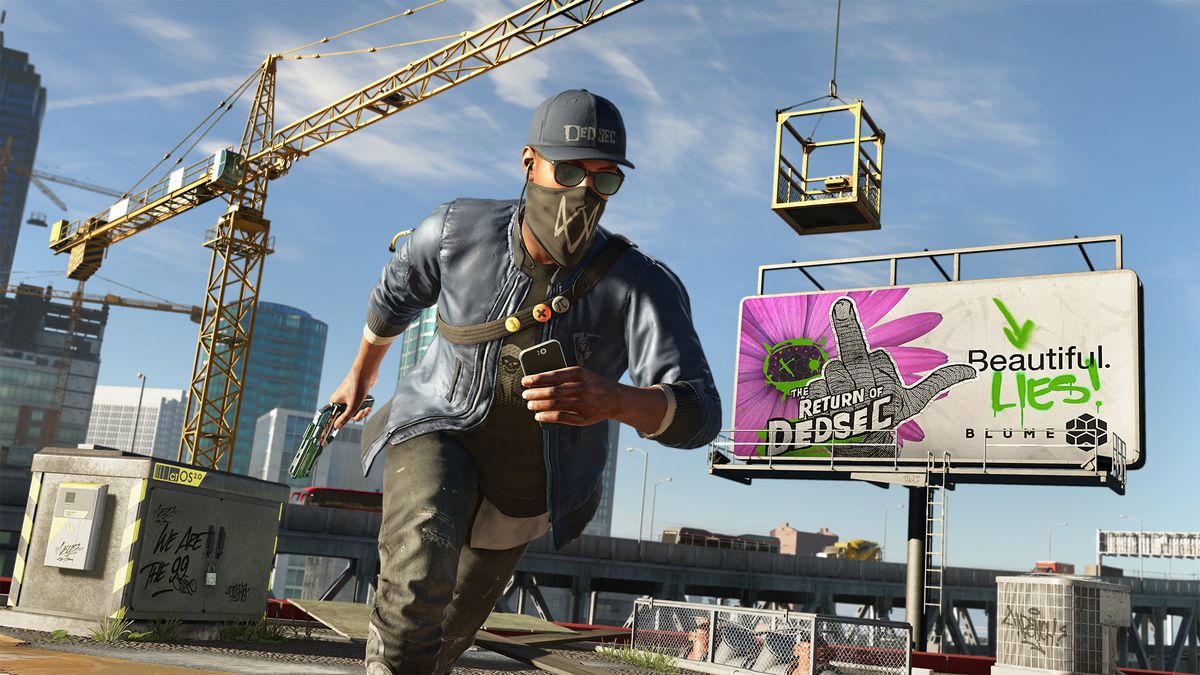
Other open world games have jumped into the mix since then. Sleeping Dogs has some great driving mechanics that work towards a street racing mini game for players to do when they're bored of slamming Triad members into fish tanks, Far Cry 3 and 4 (and probably 5, I haven't played it.) have some clock racing minigames that force you to dash around the map under some thinly veiled pretense of story; and Watch Dogs 2 manages to spice things up with go kart racing (Because apparently that's a thing in San Fransisco) and yatch racing, which certainly takes some patience to get to grips with.

Wait a minute, did I just mention go-karts? Well there is only one logical place to go from here, and that's to the world of Nintendo for their storied competitive racing game Mario Kart. Since 1992 Mario and his friends have been at the forefront of online racing games through their unique blend of fun imaginative map design and power-up based gameplay that has the potential to shift the balance of any race. Fans come back to this series time and time again for it's accessibility and timeless Mario style that is forever immune to the rest of the industry's death march towards fidelity.

And now I get to pull my wild card. On behalf of those wackier racing games that I mentioned earlier, as well as to pull a gaming deep cut, I direct you to one of my favourite PS1 games from back in the day; Micro Maniacs. In this game you played as one of several distinct racers (who, in hindsight, look somewhat horrific) that appear to be pintsized test tube monstrosities cooked up in some evil genius' lab. (I never followed the story.) In the vein of that premise that I may or may not have made up, the player is then tasked with racing across little 'mouse maze'-esque courses that have been built over table tops and work surfaces. This means that you'll spend your time dodging pencils and erasers as you hoard boasters and fire powerups to get ahead. My favourite element of all this, however, is the fact that the racers come without vehicles, the manics must run with their little spindly legs and a satisfying momentum mechanic to win out at the end of the day.
 Racing games are one of those staples of gaming that's been around forever, and when you look at the games that the genre has produced, you can see why. Unlike some other genres' (Sport) racing games have never started to relent on quality and the pursuit of improvement. Although, that has meant that we have fewer wacky titles, (No more Split/Second or Burnout) it does mean that racing game fans are rarely without a high quality effort to sink their teeth into. I may not be the die hard racing fan that some others are, but I remain interested enough to follow with curiosity and a little bit of passion. Now, if you excuse me, I've just noticed that Red Dead Online has horse racing...
Today I decided to focus on something outside of my traditional wheelhouse; the ever-so-humble racing game. I'm usually a player who likes to take their time, as indicated by my favourite genre being; Stealth games, so you'd imagine that a game which tasks me with speeding about a course would the absolute opposite of fun to me. Not so, it would seem, as I always come back to the noble sport of racing now and then. Not that I'm good at it, oh no, but I always give it a shot whenever I get the opportunity. (Maybe it's the masochist in me.)
Games that simulate racing go back a long way in video gaming mythos, all the way to the original home console: Atari. (Discounting all those portable Pong machines that were developed.) Who remembers 1982's 'Pole Position'? It was an F1 racing game with some of the best graphics that the system had to offer, you can genuinely make out what the game is. I'm not even being facetious here, compare what this game had to offer to the original Mario Bros, the difference is night and day. (It seems that visual fidelity has always been a hallmark of racing games.)
I have always held a huge amount of respect for racing in videogames, when done right they can be some of the most creative games on the market. I suppose it comes from the need to differentiate oneself in amidst a library of seemingly identical games; You either become the best at making racing games, or pick one heck of a gimmick that people won't soon forget. I harbour love for both of these choices as even the roughest racing games can have some little charming glint that manages to touch my stoney heart.
Unlike modern sports games, the leaders in the racing market seem to actually dedicate passion behind their craft to amaze audiences with either ingenuity or fidelity. I suppose that is what attracts me to games like these without being a huge car nut myself; I'm just drawn in by the undeniable talent under the hood. Somehow, despite never definitively learning what it means to 'drive stick', I have developed a history with racing games throughout my gaming life, and therefore I have just enough incidental knowledge to take you through a few of my favourites from over the years.

When I mention having 'pride in your craft' I think that few games personify this as perfectly as the Forza franchise. Ever since 2005, Turn 10 Studios have been creating newer renditions of Forza Motorsport to wow the public. Each game, alongside all the the racing game industry leaders, manages to exploit the latest in tech to be one of the most beautiful games of their time, much in the same way that you find in system launch titles. The difference comes from the fact that system launch titles are generally more of a tech test, whilst Forza Motorsport never skimps out on the gameplay either, despite how tempting it must be to do so in the modern age. Nowadays, Forza games play like a more accessible racing Sim, with all the complexity and fidelity of a dedicated simulator mixed with the fantastic controls and handicap tools that one would expect from a pick up and play game.
Turn 10 have also spent their time working on the Forza Horizon spin off series since 2012. This is a game that is all about revelling in the beauty that comes from racing cars in some of the most visually arresting locations in the world (Like England! but mostly France, Australia and Colorado.) Horizon is certainly more of a game for hardcore car enthusiasts who want to spend their time taking screenshots of their favourite supercar plowing through a cornfield as the light hits in the perfect angle, but that core Forza codebase makes the game a blast to play for anyone. I have my own grips about the subtly insidious nature of the story behind the Horizon festival, (I'm not joking, but I'll get into in a dedicated blog.) but none of that takes away from the blind fun of a dedicated racing game.
Earlier I said how I like racing "Whenever I got the chance". Well, that isn't just in reference to my available play-time but to indicate that I will race whenever the game offers it. Many open world games have tried their hands at providing racing mini games, even when their driving mechanics may not be as solid as dedicated efforts. Grand Theft Auto has displayed some degree of racing in it, for years, ever since the original. (Although in that game you were racing against a time limit.) San Andreas was the first game to turn this into a fleshed out mode, however, even instituting a mini tournament in one city.

Other open world games have jumped into the mix since then. Sleeping Dogs has some great driving mechanics that work towards a street racing mini game for players to do when they're bored of slamming Triad members into fish tanks, Far Cry 3 and 4 (and probably 5, I haven't played it.) have some clock racing minigames that force you to dash around the map under some thinly veiled pretense of story; and Watch Dogs 2 manages to spice things up with go kart racing (Because apparently that's a thing in San Fransisco) and yatch racing, which certainly takes some patience to get to grips with.
Wait a minute, did I just mention go-karts? Well there is only one logical place to go from here, and that's to the world of Nintendo for their storied competitive racing game Mario Kart. Since 1992 Mario and his friends have been at the forefront of online racing games through their unique blend of fun imaginative map design and power-up based gameplay that has the potential to shift the balance of any race. Fans come back to this series time and time again for it's accessibility and timeless Mario style that is forever immune to the rest of the industry's death march towards fidelity.

And now I get to pull my wild card. On behalf of those wackier racing games that I mentioned earlier, as well as to pull a gaming deep cut, I direct you to one of my favourite PS1 games from back in the day; Micro Maniacs. In this game you played as one of several distinct racers (who, in hindsight, look somewhat horrific) that appear to be pintsized test tube monstrosities cooked up in some evil genius' lab. (I never followed the story.) In the vein of that premise that I may or may not have made up, the player is then tasked with racing across little 'mouse maze'-esque courses that have been built over table tops and work surfaces. This means that you'll spend your time dodging pencils and erasers as you hoard boasters and fire powerups to get ahead. My favourite element of all this, however, is the fact that the racers come without vehicles, the manics must run with their little spindly legs and a satisfying momentum mechanic to win out at the end of the day.

Monday, 12 August 2019
I'm not seeing enough movement!
I'm walking here!
I would argue that the ability to move is a rather integral part of our function as human beings, heck, as animate beings. (I don't think anyone is going to fight me too hard on that front.) It allows us to transport the rest of our fleshy sacks to the places we need to go. (God, I'm literally describing the utility of movement.) but despite the fact that everyone is familiar with methods of movement, or perhaps because of it, representing transit in media can be difficult. Simply writing the sentence "I walked down the road", conveys the result but not the action. You know what I did but you have no idea how long that road was, how long it took me to go down it or if I walked in the street or on the pavement. Movies often have people move from location during cuts rather than show you their journey through traffic (Unless your director is James Nguyen). You do still get some great, ponderous shots of people journeys like the sweep across the desert in 'Gallipoli' but those are usually to establish the desolation of a scene or allow the audience to admire the shot.
"But we don't need to every step in the characters day." You are rightly thinking. And of course we don't, if it irrelevant to the story being told, it doesn't need to be there. I'm sure there is some art-house film that dedicated itself to capturing the struggle of the average transit to work, but you won't be seeing that crossing over to the mainstream anytime soon. We don't have time for that, our time on this earth is limited, is it not? So why am I even bringing up this inane line of thought? because in many video games the protagonist's mode of transport is a carefully considered concept. How fast will they walk? Can they run? Should we add vehicles? Can we add Vehicles? What about planes? Therefore I thought it might be fun to break down the main modes of transport as the are represented gaming and talk about the struggles that developers have to keep in mind in order to realize them.
Firstly, we have the most common form of transport available; Ambulatory movement. Humans and animals have been putting one foot in front of the other in order to propel themselves for millennia, so you'd think that bringing such a concept to video games would be a 'walk-in-the-park' (See what I did there? I'm not proud, either.) but you would be wrong. Walking is an unavoidable part of many games so it is imperative that developers makes sure that it feels right. We humans may not mind walking down the street to the shop but try walking in GTA and see how long it is before you want to gouge out someone's eyes. Therefore developers need to think about the speed the player moves, ensuring it is both believable and fun; the weight of the movement, making players feel grounded in their world but not rigid; and the consequence of walking, how much will the camera bob and sway. etc.

There are too many games to count that feature some form of walking and running, but I think it is the likes of the openworld Rockstar games that consistently nail this aspect. Rockstar have been creating third person action openworld games for decades and therefore it should surprise no one that they are good at doing it. As their games have progressed, Rockstar have managed to improve upon the weight of the character immensely. Compare the floaty nature of GTA 3's Claude with Red Dead Redemption 2's Arthur and there are several solar systems worth of difference. It is part of their dedication to the construction of a believable gameworld to ensure the player feels rooted in it, movement is the glue that fixes all of that together and Rockstar practically own the patent for that stuff.
Next we have another popular mode of transport, vehicles. According to figures from the US department of energy, at least 16.5% of the world's population know how to drive a car. (Or at least have a licence, there's no current way to account for mental acuity.) this means that just about everyone in the world has at least seen an automobile. Humans have been hitting the roads in motorized vehicles since the 1800's and we'll likely continue to do so until the things start flying.
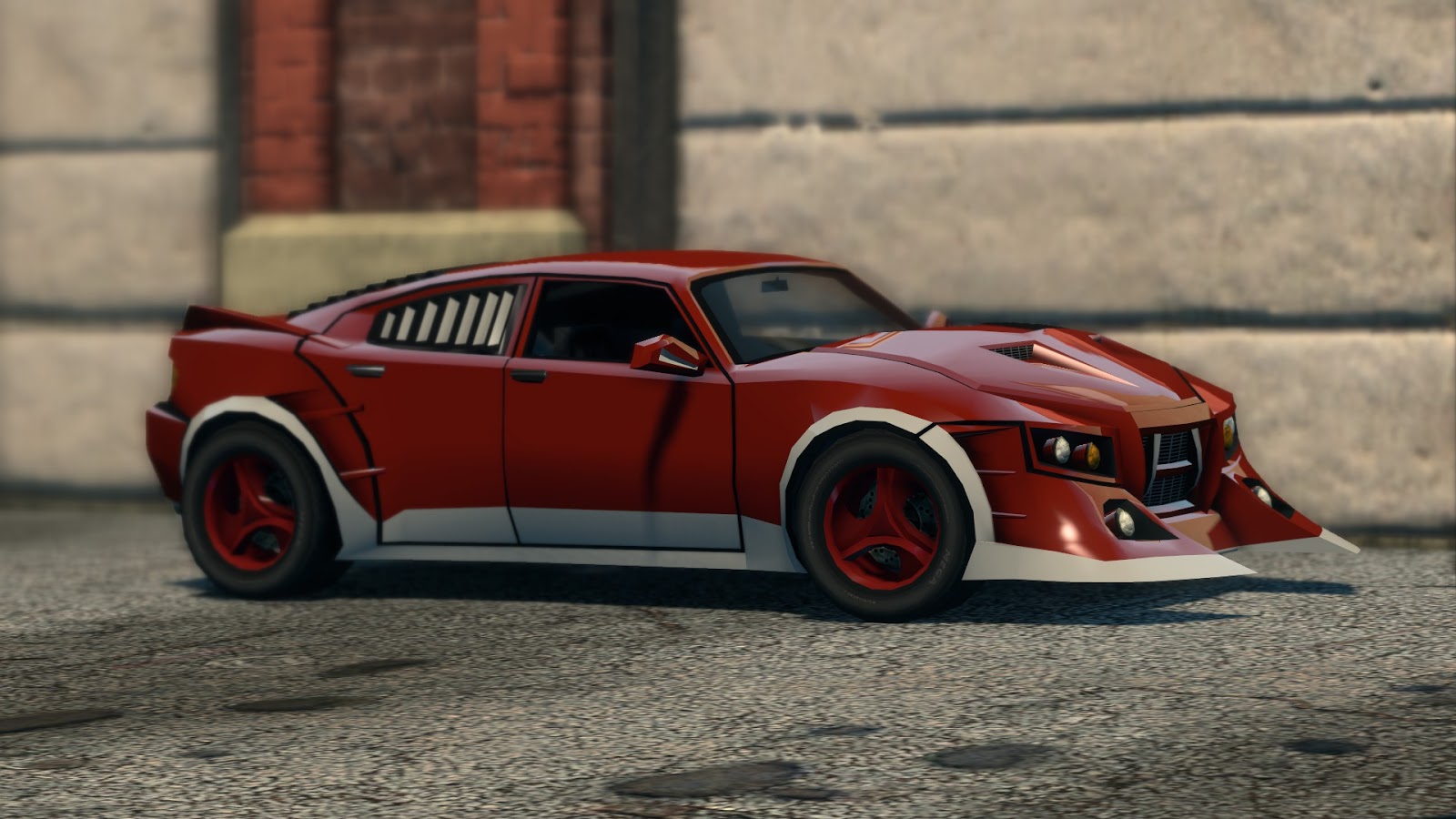
 Obviously, many games have a handle on driving mechanics too, but few games handle them well. Saints Row and GTA have a vast selection of fun-to-drive vehicles in their repertoire but they don't handle particularly realistically. Play an actual racing Sim (Or just drive a real car like a weirdo) and you will notice how heavy and cumbersome those steel beasts can be. This is because video games often find themselves torn between the realistic versus the fun. If Grand Theft Auto's cars weighed anything like they should (Which you can achieve by messing with some gamecode.) suddenly you won't be able to pull of the ridiculous jumps and flips that people love to do. If Saints Row's cars were as flimsy as real cars, then every car you own would burst into flames within a minute. Creative liberties are taken for the good of the overall product.
Here's a fact you likely knew, 71% of the planet is covered in water. That means it was inevitable that mankind would figure out some way to traverse the thing, they had to get around to it eventually. Swimming is now a popular activity amongst people who are not me, and they've even gone and turned it into an Olympic sport. Personally, I can't think of a single thing that would encourage me to cross a body of water, but then I'm an introvert shut-in who hisses at the daylight, so I'm basically a vampire. (There's a thing about vampires and running water, isn't there?)

For whatever reason, Video games have always had a tough time whenever it has come to depicting
swimming. It has always been associated with the dreaded 'underwater level' and so it was a longtime until anyone managed to perfect underwater movement. (Rockstar still aren't there yet.) When it comes to recent games, I would say that the ideal example for underwater transit would be in Subnautica, but then again that is out of necessity. The entire premise of Subnautica is about being stranded on an ocean planet, so they needed to make the swimming feel weightless and effortless. Practised swimmers may point out that real swimming is actually neither effortless not weightless, but I merely direct them back to my 'realism versus fun' point from earlier.
But swimming isn't the only way that humanity has devised for travelling over bodies of water. Recently, we've come up with the idea of strapping people inside of metal death machines and launching them into the air. (Yeah, I'm not a big fan of planes.) Orville and Wilbur Wright famously established the path to air travel at the turn of the 20th century with their Wright Flyer. Nowadays commercial flights are a part of everyday life, and we're stuck with it until 2077 when aerodynes will become a thing. (I'm already saving up for mine.)
 Flying has found a home in many video games. It's hard to mess up, really. Air resistance is more of a bother for actual pilots and technicians; when you are merely simulating flight, things become a whole lot easier. There are great flight-capable vehicles all over gaming such as; Star Wars' starfighters, Far Cry's handgliders, GTA's planes and Just Causes' Grapple hook. (Yeah, Rico's hook is only 'technically' flying but I'm including it anyway.) Some games avoid implementing flying for presentational reasons. Despite featuring dozens of winged lizards, Skyrim had no flying mounts when it launched in 2011. This was explained by the assertion that if people could fly, they would spend their time looking through the land and not at it. Skyrim revolved around making players feel like a part of the world around them and therefore it was in Bethesda's best interests to saddle the player with more conventional means of transport. Then Bethesda released 'Dragonborn' and revealed that the real reason that they didn't add dragon-riding earlier was because the mechanic sucked.
The video gaming medium has a lot of issues unique to it, and solving the presentation of movement is one of the key ones. Fidelity in gaming comes to odds with creativity and fun all to often, making the establishment of a believable environment difficult. So much consideration goes into every single step that you take ingame, ultimately to ensure that you never notice that hard work. To most it is one of those irrelevant background details that never enters their sphere of conscious thought, but to me it is the foundation of solid gameplay. (the 'legs' if you will.)
I would argue that the ability to move is a rather integral part of our function as human beings, heck, as animate beings. (I don't think anyone is going to fight me too hard on that front.) It allows us to transport the rest of our fleshy sacks to the places we need to go. (God, I'm literally describing the utility of movement.) but despite the fact that everyone is familiar with methods of movement, or perhaps because of it, representing transit in media can be difficult. Simply writing the sentence "I walked down the road", conveys the result but not the action. You know what I did but you have no idea how long that road was, how long it took me to go down it or if I walked in the street or on the pavement. Movies often have people move from location during cuts rather than show you their journey through traffic (Unless your director is James Nguyen). You do still get some great, ponderous shots of people journeys like the sweep across the desert in 'Gallipoli' but those are usually to establish the desolation of a scene or allow the audience to admire the shot.
"But we don't need to every step in the characters day." You are rightly thinking. And of course we don't, if it irrelevant to the story being told, it doesn't need to be there. I'm sure there is some art-house film that dedicated itself to capturing the struggle of the average transit to work, but you won't be seeing that crossing over to the mainstream anytime soon. We don't have time for that, our time on this earth is limited, is it not? So why am I even bringing up this inane line of thought? because in many video games the protagonist's mode of transport is a carefully considered concept. How fast will they walk? Can they run? Should we add vehicles? Can we add Vehicles? What about planes? Therefore I thought it might be fun to break down the main modes of transport as the are represented gaming and talk about the struggles that developers have to keep in mind in order to realize them.
Firstly, we have the most common form of transport available; Ambulatory movement. Humans and animals have been putting one foot in front of the other in order to propel themselves for millennia, so you'd think that bringing such a concept to video games would be a 'walk-in-the-park' (See what I did there? I'm not proud, either.) but you would be wrong. Walking is an unavoidable part of many games so it is imperative that developers makes sure that it feels right. We humans may not mind walking down the street to the shop but try walking in GTA and see how long it is before you want to gouge out someone's eyes. Therefore developers need to think about the speed the player moves, ensuring it is both believable and fun; the weight of the movement, making players feel grounded in their world but not rigid; and the consequence of walking, how much will the camera bob and sway. etc.

There are too many games to count that feature some form of walking and running, but I think it is the likes of the openworld Rockstar games that consistently nail this aspect. Rockstar have been creating third person action openworld games for decades and therefore it should surprise no one that they are good at doing it. As their games have progressed, Rockstar have managed to improve upon the weight of the character immensely. Compare the floaty nature of GTA 3's Claude with Red Dead Redemption 2's Arthur and there are several solar systems worth of difference. It is part of their dedication to the construction of a believable gameworld to ensure the player feels rooted in it, movement is the glue that fixes all of that together and Rockstar practically own the patent for that stuff.
Next we have another popular mode of transport, vehicles. According to figures from the US department of energy, at least 16.5% of the world's population know how to drive a car. (Or at least have a licence, there's no current way to account for mental acuity.) this means that just about everyone in the world has at least seen an automobile. Humans have been hitting the roads in motorized vehicles since the 1800's and we'll likely continue to do so until the things start flying.
Here's a fact you likely knew, 71% of the planet is covered in water. That means it was inevitable that mankind would figure out some way to traverse the thing, they had to get around to it eventually. Swimming is now a popular activity amongst people who are not me, and they've even gone and turned it into an Olympic sport. Personally, I can't think of a single thing that would encourage me to cross a body of water, but then I'm an introvert shut-in who hisses at the daylight, so I'm basically a vampire. (There's a thing about vampires and running water, isn't there?)

For whatever reason, Video games have always had a tough time whenever it has come to depicting
swimming. It has always been associated with the dreaded 'underwater level' and so it was a longtime until anyone managed to perfect underwater movement. (Rockstar still aren't there yet.) When it comes to recent games, I would say that the ideal example for underwater transit would be in Subnautica, but then again that is out of necessity. The entire premise of Subnautica is about being stranded on an ocean planet, so they needed to make the swimming feel weightless and effortless. Practised swimmers may point out that real swimming is actually neither effortless not weightless, but I merely direct them back to my 'realism versus fun' point from earlier.
But swimming isn't the only way that humanity has devised for travelling over bodies of water. Recently, we've come up with the idea of strapping people inside of metal death machines and launching them into the air. (Yeah, I'm not a big fan of planes.) Orville and Wilbur Wright famously established the path to air travel at the turn of the 20th century with their Wright Flyer. Nowadays commercial flights are a part of everyday life, and we're stuck with it until 2077 when aerodynes will become a thing. (I'm already saving up for mine.)

The video gaming medium has a lot of issues unique to it, and solving the presentation of movement is one of the key ones. Fidelity in gaming comes to odds with creativity and fun all to often, making the establishment of a believable environment difficult. So much consideration goes into every single step that you take ingame, ultimately to ensure that you never notice that hard work. To most it is one of those irrelevant background details that never enters their sphere of conscious thought, but to me it is the foundation of solid gameplay. (the 'legs' if you will.)
Subscribe to:
Posts (Atom)