Most recent blog

Final Fantasy XIII Review

Monday, 19 December 2022

Level 1

 First Impressions.

It's a commonly repeated refrain that you have to nail your first impression because it might just be your last impression. Wait- no, that's not how it goes. 'First Impressions last longest'? Less threatening, but that still doesn't sound right. How does it go... "You never get a second chance to make a first impression", that's it! (Hmm, that still sounds pretty threatening...) But the point stands strong. The very first time someone starts an experience, meets a new person, or does pretty much anything fresh to them, it will be that first moment which colours their proceeding experiences. Which is why when we bring that philosophy to gaming, a lot of games that are beloved to small subsets of people fail to land with larger audiences. You can tell me all day how amazingly interesting the Avenger's combat apparently becomes once you hit the level cap; but I don't have fifty hours to spend grinding and being bored so I can be mildly entertained by an anaemic game from that point onwards.

Which is why nailing that very first level which the player comes across is so important to establishing the interest in the audience that is going to make them stick around for the long haul. And sealing that interest can't be done in the same way that we do with movies or TV. That stinger scene hinting of the later events might work on some very fringe cases, but most of the time it just highlights how boring the proceeding beginning sections of the game are, or just reveals how unimpressive your most exciting section will be. Perhaps the worst example of this is the legendary 'Ride to Hell: Retribution' which begins with a playable smash cut to all the action set-pieces of the later game, neatly allowing the player to experience right early how unplayably bad all sectors of the gameplay were. Almost like a warning to stay away, which I guess makes Ride to Hell's intro the most conscientious of all other games.

I think this late realisation has been what has led to the slow decline of the 'tutorial', as most games operate with the 'standardised control scheme' anyway and thus most players don't want to sit around being told how to move and shoot for the fiftieth time. The trend has gone towards action-oriented and explosive intros that propel the story and let the player get into the action and narrative immediately, even when the game in question is not a full action title. Some people might have been very surprised when playing the Mass Effect Legendary edition to be reminded how that first game begins with a fairly tame introduction that has you walk around the Normandy talking to the people that will become your crew and learning about the world through simple conversation. Mass Effect 2 has a more traditionally orchestrated tutorial action scene which sets you in a workplace ambush that bears a striking resemblance to the opening of Deus Ex: Human Revolution. And Mass Effect 3 has an even more overblown set-piece that leans more towards interactive cinematic than an actual firefight with stakes and peril. And that is just 5 years of 'first level' development clichés being developed by one company.

First levels have become such an entity unto themselves that comedy themed games, such as Far Cry Blood Dragon, have precedent to make fun of them. Why they had to do so in a manner that is equally as tedious as the cliché they were mocking is beyond me, but the expectation of fourth-wall shattering meta comedy is established by the display. Which is, of course, another function of the 1st level. Setting expectation for the audience to come back seeking a pay-off for. It's especially important to do this in long-form media like games and books because neither are expected to be finished in a single sitting. As a designer or writer, you have to be making the case on why your audience needs to return from page 1. Which is why 'Ride to Hell's' cliché 'fast forward' intro was in the right head-space, if flawed in other departments.

Souls games are great examples of this for how they endeavour to always ensure their reputation as unforgiving and brutal experiences is reinforced from the word 'go'. Practically every Souls game has a moment where you end up face-to-face with either the first boss or a tough early-game foe, totally unprepared for that encounter. The original Dark Souls has the first fight against the Asylum Demon, which transpires before you even have your class weapons; Bloodborne has the close quarters brawl with the werewolf which is attached to an almost scripted death sequence. Sekiro pits you against the final boss, and scripts your defeat no matter how well you do. And Elden Ring has Margit; a wound still fresh enough in it's players hearts that I don't need to tell you how unprepared people were for it. The message is very simple; 'prepare to die' and the humbleness of being killed is the first lesson FromSoftware teaches every one of it's players

There are some game types, however, that have confidence enough in the genre within which they exist and the precedent of their peers that they don't need to slap you in the face for attention. Some take their sweet time to establish atmosphere, or world building, confident in the fact that you will stick around for the prolonged amount of time required for the real excitement to start. Hollow Knight is a masterpiece that begins with a particularly subdued thematically desolate introduction to the Hallownest. And Japanese RPGs like Final Fantasy and Xenoblade usually avoid the big exciting events so they can allow the player to acclimatise first. This is because above all else, these games aspire to establish immersion, not just stimulation; and only when the player has sold themselves fully into the world do they come and supply the action and danger to the world they've built. 

I think there's one game I know, and love, which balances all the points I've picked out beautifully; and you won't be surprised in the least to see how that game is Yakuza 0. The prequel Yakuza game that revived this franchise to the Western world, Yakuza 0 had very big shoes to fill when it proposed to tackle the very beginning of Kiryu Kazama's journey ten years after his original outing. And they began with a shock, but not an explosion. Kiryu beating a man, in a cutscene, to a bloody pulp for protection money. What follows is actually a very subdued sequence of discovering the 80's Kamurocho, meeting the characters and beginning to get hooked into a plot that prioritizes intrigue. But by that same merit; Yakuza doesn't leave action fans waiting. The finale of the first chapter is perhaps one of the finest action set-pieces that the franchise has ever had. Built like the finale of a whole story with the focus on making the ultimate sacrifice by taking responsibility, the player is then thrown into a relentless no-punches-pulled onslaught of enemies in a perfectly paced gauntlet headed off with a climatic boss fight against one of the key villains of the game. It's over-the-top, awesome and supremely satisfying; that is how you start your game.

The beginning can often be the most challenging part of any work of art, and the amount of forethought and intention it demands will never cease to amaze me in the special instances where all works out with flawless delight. A great introduction will play in your head forever and make you want to dive back in the second after you finish; a bad introduction will kill your momentum and maybe even make you uninstall the game before it gets good. (I literally cannot replay Blood Dragon because I always automatically uninstall the moment the intro wraps up.) So think about the next game you start and whether or not the game you're playing touches on all the notes an intro should, and whether level 1 alone is enough to keep you hooked until the last level.

Sunday, 18 December 2022

Henry's Warhammer

 Ratings for the Ratings god!

To be Henry Cavill is to be largely blessed and a little bit professionally cursed. On the blessed side, you'd be one of the most handsome actors in the world with significant talent who is beloved by the fandoms he touches the world over. On the otherhand, it seems you are cursed to never have a role you can call your own. Or maybe that is blessed, Henry can't really be typecast as anything other than a well-built handsome white guy. (And in Hollywood that ain't a type; it's the whole buffet!) Still, Henry has the star power and charisma to draw swathes of fans, and his face would certainly look fine on the front cover of a movie poster; but for some inexplicable reason the industry just don't want it to happen. Maybe he's secretly difficult to work with behind the scenes? (Really secretly; you'd have thought stories of that would have gotten out after all these years if it were true.) Maybe when he was a child an old crone knocked on his door and he cussed her out for being ugly only to discover the old crone was a vindictive old witch who cursed him to never nail a movie franchise. What? It could happen!

Whatever the case, it just hasn't ever worked out for him. He was one of the leads of the very fun spy action thriller 'The Man from Uncle', which many exuberated declared to be his James Bond; only for that movie to go unloved and never earn a sequel. He became Superman for the DC Cinematic Universe, and fans of Superman seemed to genuine like the take that Henry brought to the role. (I can't say I saw what they saw from that movie; but then I'm not a Superman fan.) But that iteration of the DCEU just seemed to slowly become worse and worse until now when it's slowly been executed out the back of the barn and Henry Cavill has been kicked out of the Superman role before he ever got a sequel. (Which is a shame. The movie titles could have made for sick posters. 'Man of Tomorrow' and some other 'Man' themed title somewhere probably.) Oh, and he was Geralt for Netflix's The Witcher; before that sort of went off the rails and he parted ways with the creators.

Like I said, the man is cursed. Probably since a child. He needs to kidnap a French peasant and make her fall in love with him through dubious methods. (What's that? He's currently in a relationship? Hmm, she doesn't look French to me or like a Peasant... you're only delaying the inevitable Cavill!) But fandoms love him, and why? Because everytime he's ever hinted as his personal life the man seems to be dialled directly into what it's like to be a fan of franchises and fantasy, and not just a fan of movies. Every actor is a fan of movies, it seems; and hearing them gush about their first time rushing to the cinema is cute but not entirely relatable to a world of people who like seeing cool stories more than they do the delivery method. I'm sure Henry is a movie lover as well, but the man is also a franchise fan of so many nerd icons. He plays video games when he has spare time; and not just mobile games- the man is a fan of actual action RPGs! He loves Warcraft and he seems forever reverent to the source material of anything he works on; which is rumoured to be one of the key reasons why he left The Witcher to one of the Hemsworth clones. (I think it was the... Australian one...) He's a nerd like one of us! You know, just... jacked and handsome and successful and... Okay, he's nothing like us; but man does he make for a stunning spokesperson for our hobbies!

In fact, it's actually his passionate nerd-side which is the reason for this topic today, as you've probably clued onto because this news is everywhere. After being kicked out of everywhere in Hollywood it would seem, Henry Cavill is harnessing his time spent in the industry, reaching out to his contacts, and doing the ultimate fan move; he's jumpstarting his own adaptation of his favourite franchise. (Potentially. I don't know if Warhammer is his favourite franchise, but he definitely loves it.) The franchise that Hollywood would absolutely never touch with a tenfoot pole because of how expensive and untraditional it is, the Gothic Grim-Dark (I looked it up this time) Universe of mutual evil known as 'Warhammer 40k' will see a Amazon funded series executive produced by and starring Henry Cavill. And the Warhammer fandom went wild.

Now if you've hung about these woods you might have heard me express my long history with the Warhammer franchise. Or lack thereof. Because I've never managed to get into the franchise through any of it's thousand caterpillar leg entry points- but I've always been curious. Throughout all my explorations into different games, the idea and militarist fascistic pseudo-religious imperialism of Warhammer 40k doesn't really have much of an equal in Sci-Fantasy, so of course I'm going to wonder about something I've never experienced before. Recently, however, the 'try everything and see what happens' approach has been striking ever closer to my sweet spot of interest. Space Marine 2 looks like a stupid amount of violent fun. I just found out about an X-Com style tactical game in the Warhammer Universe called 'Chaos Gate', oh- and then there's 'Rogue Trader'. The game I have sweaty dreams about at night. That's pretty interesting too. And now Henry Cavill is going to be fronting a series? Consider me intrigued!

The appeal of Warhammer for me comes from the proposition of a universe without any good people or righteous hero. There are the loyalists, the heretics and the hedonistic xeno scum who litter the stars. Everyone one of them a vain and selfish subculture beholden to their rigorously fascistic formalities and a society driven by warfare. The key visuals of this universe are the bloodied and violent Space Marines with their oversized cauldrons and Chainsaw swords; demonstrating exactly everything you need to know about the Warhammer world. These are a people born and bred for endless battle in a holy war against basically the entire rest of the universe. Which is what makes the scope of an actual series set within this franchise pretty much endless.

Of course, Games Workshop are renowned for their tendency to give the licence for making games based off their franchise to anyone with a spare fiver in their back pocket. Quality control hasn't been super on point with this series and recently the table-top fans have started to feel a little forgotten by the main manufacturers. But a series with Henry has the potential to change all that and I just know that Games Workshop are feeling their buzz of opportunity on the air. D&D has that honestly middling looking movie coming out, but a Henry led Warhammer series could leapfrog that just by the merit of who's leading it. This could be the rocket into the mainstream that Warhammer fans could never have dreamt of and, judging from the few Warhammer fans I've met in my life, are probably decently afraid of.

I'm chuffed about so many in-roads to this new franchise opening up, and am only vaguely worried about the inevitable congestion this is going to cause. Inevitably even if one of these projects turns out to be a total crapshoot, the others will raise the profile of the franchise regardless, and now the efforts of all these disparate and largely unconnected creatives is going to be subconsciously filled away under 'The Henry franchise'. I know that there's an unspoken trust that is filled upon fandom heroes like Henry, but I'm a realist at heart so I'm going to have to remain cautiously optimistic. If he can get the money, maintain the creative control, and not screw it all up in the creator's room; we could be looking at a new age of adaptation, of gaming relevance and of TV. So no pressure, Mr Ex-Superman. No pressure at all... 

Saturday, 17 December 2022

What's going on with Starfield?

Is there anyone out there?

Ever since Bethesda announced their very special 'policy' when it comes to truncating marketing so that games release only a few months or weeks after announcement, it really has been a crapshoot trying to guess when it is that Starfield is heading our way. Early 2023 is an optimistic bet, and I really hope that's what it's aiming for; (They kind of already promised it was coming before E3 2023) but I find it hard believing any company promises now days. Especially when the recently passed Game Awards would have been a fine time to show off Starfield, a game which was even mentioned as one of the most anticipated upcoming games during that show. But instead we got... literally nothing. Microsoft were ghosts in the auditorium, present but non-corporeal and thus unable to mention a single thing about any of the dozens of games they're supposedly juggling.

My bet? I think Starfield is due for a big media frenzy that Bethesda are waiting for until the lead-up weeks. Typically I would assume a big presentation, but we technically already got that presentation last year so I'm assuming it's just going to be a barrage of marketing materials until you're literally sick of seeing the game everywhere you turn around, just like with FF XV. I was a total fanboy obsessive during the lead-up to the Final Fantasy XV launch, but even I had to admit that the daily trailer releases in count-down for the full game grew tedious after the first ten. They just ended up recycling footage from larger trailers near the end, they couldn't even drum up enough new content. But you know what? It got me thinking constantly about Final Fantasy XV which was the point all along...

But that isn't to say that Starfield hasn't at all been mentioned by Bethesda, in fact they've been squeezing out little deep dive videos answering burning fan questions over the year that have touched on a bunch of pressing topics. Some topics obviously got a deeper look than others. For example, we've had double confirmation of the existence of aliens within this universe, but it's treated so dismissively that I can only assume Bethesda are wantonly ignoring the fact that such a question is obviously referring to sentient life and not the dozens of tropical space slugs that I'm sure are slithering around the computer generated cave systems. But we've also had a more in depth reveal of the new conversation system coming into the game which borrows the 'minigame' concept from Oblivion but attempts to make it... not terrible. Which is certainly a tall order. (The Oblivion talking minigame was really terrible, afterall.)

These little stabs at the meaty pie which is the, somehow still enigmatic, Starfield are the little confirmations of life that keep the blood pumping and speculation building. If you allow the pot to cool down entirely it takes all that much more effort to heat the thing back up, but if you keep it on low simmer, than the jumpstart comes easy! I imagine that's the idea with Starfield, which would also be the reason that even though we're not currently in the middle of the media storm around the game. Currently, Bethesda refuses to even entertain the topic of The Elder Scrolls 6. Not only is it too far away to bother talking about, it's a topic that takes air out of the room for their carefully balanced marketing schedule on Starfield. At least, that's my idle speculations as to why Todd Howard is avoiding making easy headlines by merely saying something innocuous like; "Khajiit will finally have eight nipples in The Elder Scrolls 6." (The improvement we've waited two generations for!)

We've learnt how Starfield intends to attack factions throughout the universe, and thankfully it won't be in the reductive Fallout 4 fashion that really watered the various parties down into factions with main quest involvement rather than independent entities. In Starfield they will have their own questlines with stakes tied to their various interests and hopefully strong narrative resolutions that we'll think back on fondly. This means short and full narrative questlines that tell the story of a faction and yet are still satisfying to play through independently and reminisce on. (So basically any questline that isn't The College of Winterhold standard of writing.) What I personally hope for is an evolution of the fundamental playstyles influenced by these factions so that we have meaningful roleplay opportunies within these different factions. Such as how there were the dynamic thievery missions in Skyrim's Thieves Guild, or even 'The Companion's bounties. (Although I do think those bounties were extremely unrewarding and underdeveloped. At least the Thieving built off of a solid framework.)

We've also had a little bit of information on companions and how they are going to work for Starfield. They're specific characters again, like in Fallout 4, instead of hireable mercenaries. This makes for stronger potential individual stories of these characters, but is a roadblock for modding to overcome. (Hopefully the years of navigating Fallout 4 has helped elucidate the community how to manipulate these systems a bit more freely when Starfield rolls around.) Also, bizarrely, companions seem to be living on the player's ship, which draws into question just how customisable our home ships are going to be. Clearly there's going to be some sort of immutable base shape to the ship that cannot be altered, or there'll be strict limits about who can fly with you at a time depending on the ships we make. Can't say I'm loving what I'm hearing, but I'll take it as it comes.

And finally there was talk about the radiant quest system, which sounds oh-so-very familiar to those who have been playing Bethesda games ever since Skyrim. There's an overarching AI that places quest items in random places across the playspace and we get to go find them. The only difference I'm seeing is in vernacular; the team are saying that this AI creates radiant 'locations', which implies pop-up strike bases spawning on the otherwise barren worlds that make up Starfield's universe. I'll be honest; I actually think that has serious potential. One of the problems with the radiant system in the past has been the fact that it makes us revisit places we've treaded through a thousand times before; dynamically generating new buildings could really change up the expectation. But there is a condition; there has to be a powerful generation algorithm in place that can consistently create play spaces that have gameplay value that aren't too generic or repetitive. Bases that play on verticality, choke-points maybe even stealth routes if we're focusing on 'gameplay choice'. If this system is going to shine, it's going to have to be with the attention of diligent system designers who are allowed to fully realise the latent potential here; otherwise this is going to drag more than any other radient system has before in a Bethesda game.

Slowly the petals of Star Citizen are opening up to us the insane proposition of what this game is meant to be slowly presents itself. I thought Todd mad when he first announced Starfield, and though I still very much think that to be the case; I admit that he may have half a tortured idea bouncing around in his head too. However if I'm being utterly honest, Starfield still strikes me as the kind of game that's going to be disappointing on launch but a playground of creative insanity a year later, and I'm kind of okay with that. Unfortunately, I'm more interested in this game for the lessons that the next Elder Scrolls will learn from it then I am for the game itself, simply because I don't buy the blind optimism we've been sold. I'm too much of a realist for that. All the more reason why we need one more serious showcase to squash doubters before the drop date.

Friday, 16 December 2022

Ubi-Cry 6: Lost the magic.

Punching bag: Acquired. 

When it comes to my admonishment of what it is that Ubisoft has become and how their lacklustre approach to video game design has erased their heart, it can be hard to really present that to a public still caught up in their nostalgic memories of how the company used to make them feel. I mean, Assassin's Creed Valhalla was a commercial and critical success despite the bad taste that game left in people's mouth as a perfect amalgamation of all the things wrong with the obvious design trends the Ubisoft machine has been treading towards for years now. Bloated narrative, ceaseless busy tasks, challenge represented only by damage numbers and limp RPG-lite levelling structures. What you need is something overtly bland and empty coming out of the company. A presentation so unashamedly soulless and paint-by-numbers that it defies the nostalgia centres of the brain in how blatantly 'modern Ubisoft' it has become. Oh, hi there: Far Cry 6: Lost Between Worlds!

Seemingly based on a similar naming convention to Disney's worst performing animated movie of all time, Lost Between Worlds is a DLC that follows the convention of the other Far Cry 6 offerings. "Screw building upon the base game, let's do something different!" An approach that Far Cry has been desperately chasing for years now ever since the release and success of 'Far Cry 3: Blood Dragon'; A game which outlets are now telling me 'perfectly nailed the Ubisoft gameplay loop without dragging it out'. (Huh, and I thought 'Blood Dragon' was mind-numbingly boring; guess I'm just not cut out for the Ubisoft style.) Far Cry 6 has spent it's time trying to psychoanalyze the many villains of it's franchise and call it DLC, to varying results; but their latest DLC offering is perhaps the purest distillation of the Ubisoft vision. An undiluted liquid embodiment of exactly how creatively empty Ubisoft is at a deeply core level that cannot be rectified. They went the 'Survive' route.

If you don't remember, back when Hideo Kojima had his falling out with Konami and was forced to leave his Metal Gear franchise behind on his way out the door; Konami took to try and immediately prove why they didn't need the help of the auteur to make their games. So the suits rushed to Metal Gear to pool their ideas, and then immediately took to snatching all the most overdone and tired industry tropes to be guidelines for their next big MGS entry. As such, a franchise formed around spy-action narratives that intelligently explored wider themes that sometimes went as far as to touch on pertinent political issues through the lens of fiction suddenly became a Survival game about base building during a alt-dimension apocalypse full of crystal-head zombies. I get whiplash every-time I think of that genre switch, and so did the audience given that Metal Gear Survive has widely been rejected as the most pathetically soulless entry to a popular AAA game franchise ever conceived.

Well, Ubisoft ensures none of it's franchises can ever gain something of a unified creative lead that could instil a personal heart and identity inside any of it's series; so there's no real over-arching vision to betray with any of their design choices. Still, Far Cry has been a franchise that largely explores mostly everyday people being thrown into environments or circumstances that are a 'far cry' from the world that they are used to. (Yes, that is why the franchise is called that.) Large crosshairs that could theoretically touch on anything; yet somehow even then a limp dimension hoping narrative with colourful crystal-headed enemies and a conveniently weak 'shattered geometry' aesthetic feels just that bit too far. In that, it feels just unrepentantly and irredeemably bland. Something that I'm sure Ubisoft is getting very familiar with hearing of late.

The world of Far Cry 6 was, surprise surprise, it's greatest asset at launch. The Ubisoft development team in charge of creating the worlds of their games are always underserved by the games built around them, and it's almost as if those teams are kept in a total vacuum away from the rest of development. But I digress. Lost Between Worlds drags players out of the revolutionary land of Yara and throws them into 'generic land' with crystal shards, island fauna and bright colours everywhere. Now on paper, that actually somewhat visually interesting, doesn't it? Yet in practice it deflates like a popped balloon and I just can't figure out why! Everything you want is there, surely; you have bright colours, broad tropical fauna and... and... Man, I felt the same way about Far Cry New Dawn...

There was another game that sought to shake up the base Far Cry experience with a totally out-of-left-field journey, although that time it was in a mutated apocalypse that tried to mix the chaos of Mad Max with the colourful whimsy of Fallout and fell short of both. I think the difficulty with really identifying the key issue is identifying everything obvious is in the recipe that made both of these concepts work, from which we can distil that New Dawn's problem is more intrinsic. As superficial as it feels to just say, I think what Ubisoft's modern games are lacking, even in what should be their most creative ventures, is the charm and soul of these worlds. Splashing colour on a canvass is going to light it up, but without the intelligence of impassioned design and purposeful intent, these settings feel kitschy and synthetic.

Which doesn't even go into mention the absolutely laughable proposition of enemy types, as though Far Cry has envisioned any new enemy types since 3. Every outing brings us the standard units and then the heavies, and every thing else in the entire game is just additional bullet fodder. I don't think the FPS model of Far Cry provides enough dynamism in it's design to allow for meaningful enemy types. Sticking different colours on the AI heads doesn't bridge that gap or fill in that maw of design; it just makes them easier to spot and shoot against the scenery. And again, it just reeks of that lack of creative and intuitive spirit which shackles the entire Ubisoft line-up. Has the development team ever been reckless enough to really test the limits of their gameplay to find new avenues of fun? Of course not, and they won't; not in this DLC, and not in any future release of any key Ubisoft franchise.

I know I'm making these analytical dunks on the nature of Ubisoft pretty often, but I feel the need to remind myself just what exactly we're missing out on with all the wasted talent at Ubisoft. My review of Watch_Dogs Legion was born of the frustration of a company that have been making the same mistakes for years now, on every single on of their entries, and the bitterness of realising what everything that their games could have been. Right now the only game they have which is pulling any weight for them is Mario and Rabbids; which still felt like a bit of a weird award win for them when paired next to it's weighty competitors. Ubisoft lost the magic of the dreamweavers long ago, and more and more I see their dead, animated husk callously shovel out mediocre trite and it just breaks my heart, year after year.

Thursday, 15 December 2022

The 'Game of the Year' Epidemic

 What's wrong with 'Complete Edition'?

Did you just release your game but still have some production budget left over? Consider the single most low effort and lazy move you possibly can to try and drum up some left over interest; release a 'Game of the Year' version of the game. It's as simple as slapping together the current version of the game into a single package, maybe shelling out for a new box-art package, and if not just getting a simple 'GOTY' stencil out. And from there you can pretty much get away with marketing fraud through lying to people that your game secured such critical acclaim that it was nominated above it's peers for a reward. Like writing a whole bunch of fake references for yourself to be nominated as a Professor; a simply harmless crime that no one is affected by- or is it?

Just this last month we've had two eye-brow raising announcements from high-profile games revealing their intention to wantonly lie to a buying public in the course of their game's life span by releasing 'Game of the Year' Editions. First is Far Cry 6, the latest game from the world's most washed-up AAA development company, which received the exact lukewarm and impressed general acclaim that it deserved for it's troubles. The second is the lamentable Cyberpunk 2077, a game which famously launched in an legendarily terrible state that encouraged Sony, of all companies, to facilitate refunds and pull the game off their store. A screw up the likes of which CDPR will have scarred on them for their entire careers. And a game which did not, crucially, win Game of the Year; regardless of how many of us tried to pre-emptively award one to them before the fall.

Now the excuse for a lot of companies who go this route with their game releases is: 'There's so many award shows and one of them gave us the Game of the Year' or 'We did get an award: for best pettable animal' or some such nonsense. A tongue-in-cheek way of avoiding marketing standards violations and avoid confronting responsibility like a remotely sensible adult. But what they never seem to really grasp is the fact that this is the very attitude which devalues the legitimacy of the video game field for every other sector of the entertainment industry. Like it or not, awards have sliding scales of significance and worth, an Oscar is worth more than a 'Critics choice award', even if it is in that vapid world in which 'Awards' exist. Which I think is part of the reason why Geoff Keighley sought to create his own official award show for the industry to recognise and respect in: The Game Awards.

The Game Awards are 'the Oscars' of gaming and they present a very clear candidate for what game should be eligible for a 'Game of the Year' branding chain. The 'Ultimate Game of the Year' award leaves little room for negotiation and misconstruction: it is awarded to the game that is considered the all round most significant achievement of game development for that year. It's a position that is influenced both by public appeal and a court of trusted critic partners. In other words, it is a position of sacred importance to the Keighley awards show, granted it's worth by the respect the community lays upon it. A respect simply spat upon by every big company who decides to co-opt the 'Game of the Year' title for their quick sales boost without caring about the cost this ultimately has.

Because let's be honest; culturally games are still a looked-down on medium from the outside. Despite it's size monetarily, there's not a serious art critic in the world that respects the work of video game developers because they consider it a lower art form. I've seen video game writers off-handily be written-off as not 'real writers', as if games are written by the script coders. And sure, there's probably a lot of hobbyist writers working on Indie projects, but does that make them anyless legitimate in the profession? What regulatory body of literature has to 'recognise' you before you suddenly become a 'real writer'? And you see that perception spread everywhere. Voice actors have had that stigma for decades now, carrying over from the beginnings of cartoons; unless you're a fingers-in-the-code engineer, you're largely considered a facsimile of a much more legitimate and revered profession as it's expressed in other fields. That's because no respectable outsider takes games seriously.

And it seems we don't bother take it seriously either. If there's no level of standards being enforced or respected for our own revered awards, isn't that kind of like saying none of these awards are worth being taken seriously? That they're part of an industry that shouldn't be taken seriously? If 'Game of the Year' has no value, then by comparison 'Oscar Award Winner' could be used as a white-lie CV buffer because you bumped into a guy who said he loved in a movie one time. (Maybe that guy's name was Oscar; you can't say otherwise!) I roll my eyes at the ceremony of award shows as much as anyone but it's impossible to deny that the impact they have has weight and purpose. When you hear of an Oscar Award winning actor, you assume that actor has expert handling of material with weight. When you hear 'Game of the Year', you think "Oh, I guess this team has a spare 50k for a re-release."

This past game awards saw the coveted and hallowed title be awarded to Elden Ring, of all games; but do you think that's really going to stop God of War releasing a 'Game of the year' Edition? Maybe, maybe not. And I know that in the eyes of the marketing team it's utterly harmless; we all know they mean "This is the version with all the DLC and stuff thrown in; pick it up now"; but companies have managed to find ways around plain lying to people! Fallout New Vegas has it's 'Ultimate Edition', Assassin's Creed has coined the team 'Complete Edition', because that franchise will never being seeing the light of an awards show after how much those developers fell off. There are alternatives. Does it sound as impressive as announcing that your game was the single best received of the year it came out in? No, but nor should it. That's a sash you should have to earn to wear!

But there are dozens of award bodies in gaming, I hear you say. What makes Geoff Keighley's 'Ultimate Game of the Year' award any more legitimate than any of the others?  Effort and passion and collaboration with the entire community. Any two-bit rag can throw it's worthless opinion piece where it wants to, but only the Game Awards reaches out to critics, and respected industry figures and then throws us the last 10% of the vote in a pity-play. Only the Game Awards are elected by a committee of everyone, making the Ultimate Winner the champion of all hearts, overall. I don't think there is any other award body in gaming, in any entertainment industry that I can think of, which attempts to bring everyone together like that... (except for Strictly Come Dancing; but that shows rigged, obviously.) It's about time someone laid a standard of use down on the most affluential title in gaming, and give that badge it's sheen again.

Wednesday, 14 December 2022

Catching up to the rest of the world

 I'll just hang myself now.

The otherday I was slowly working my way through my ungodly long Steam wishlist (Yeah, we all know that pain, don't we?) and I ended up picking up a game that I must have thrown on that list perhaps a decade ago. It wasn't just on a crazy whim like some of the games I have there either, (I literally have no idea when I decided to throw Kynseed on that list, but I own it now. No idea why or how to play the damn thing; but I own it.) this was a simply legendary game that I wishlisted out of actual embarrassment as much as anticipation to actually play the accursed thing. The kind of game that is probably sitting on the games libraries of so many people out there that most people own multiple copies on now long depreciated consoles and storefronts; whilst I bought my first just the otherday. The kind of game that would get you funny looks for saying you've never played. I bought Left 4 Dead.

Now to be fair, I have played Left 4 Dead 2. I borrowed that quite often for my Xbox 360 back in the days that Blockbuster existed, and I have a feeling that I must have played the original at some point in my life but I could not take a guess as to when or where. But I've never owned either one of those games outright to play extensively until I'm sick of them; which I how I typically like to enjoy my games. Picking it up for the first time now, in the year of our accursed torturer 2022, feels like the kind of thing I should keep quite and sweep under the bed never to be seen again in the light of day. But I talk about literally everything on this blog and no one will ever see. I could pen my own verbose plans to take over an independent oil rig and adjudicate it from it's motherland and no one would be waiting there to stop me. So I might as well air my deepest and most embarrassing gaming confessions.

Left 4 Dead is one of those staples of gaming that shaped so much of what the industry is today. Four player co-op, party game mentality, dynamic level layout; so many of these systems existed in concept and idea before the creation of Left 4 Dead, but that game allowed these ideas to be bought into pristine focus for the first time ever. You can talk all day about a smart level editor who places objects and enemies in relation to how the players are progressing, but until you've seen it play out in front of you through multiple playthroughs of the same few levels; you don't get it yet. And then, suddenly, Resident Evil 4 is making use of similar systems because they work just that well. Iteration and improvement, key tenets of game design until Warner Bros. Interactive got involved. (Thank you once again for trying to ruin game development for the whole world, Warner Bros.)

Coming to Left 4 Dead for, perhaps not he first time per se, but the first fully engrossed time, is certainly a significant moment for me. Seeing the ways in which the game very much lives up to the hype built around it's name and the desperate fans still scratching for a true successor after the half-job that Back 4 Blood did. As well as the surprising ways in which Left 4 Dead somewhat disappoints, specifically I noticed the absolute lack of weapon variety. Which makes sense from a purely mechanical level; the game provieds the exact ingredients it needed to be what it needed to be and absolutely nothing more, but it still feels a bit weird to only find five different primary throughout the course of the entire game. Understandable, but absolutely unacceptable by the standards of today. (Can you imagine how many chairs would be flipped if a modern Zombie game launched without a chainsaw? Apocalyptic!)

One of the really interesting design choices that I haven't seen pretty much any other game of this style employ is a selection of neat musical cues tied directly to specific types of special infected. So that everytime you hear a strike of a piano you know that one has spawned, and when they got close enough to aggro you'll even be able to tell from their backing track which type they are without actually seeing them. It's sort of like encoding the soundscape of the game with it's own language that players start to pick up on subconsciously, or actively, as they play through the campaigns more and more. Of course, these are cues that are played throughout the entirety of the iconic Left 4 Dead introduction animatic, already driving home what soundtrack beats to attribute to which creature before you've even picked up the controller. That really did stick out to me because I just know any other modern company of the exact same time would pile up their trailers with pre-rendered action and unrelated action music. Valve always does go that extra mile.

There's actually a lot of very carefully designed systems that function neatly even within the bold choice of giving spawn placing to the hands of an AI. Smokers can grab and drag you from anywhere in their range, but if there's any sort of obstacle in the way, instead of letting the player dangle helplessly because of bad pathfinding, the pull action will stop and the creature will start choking you right there on the spot, ensuring there's no softlock situation on it's attack. Every high surface has a neat path leading up towards it it for Zombies to funnel through so there's no route to jumping completely out of harm's way and avoiding the horde, most high spots even have spawn spots even higher than you, so you're never free from watching your back. And there's also the nody vanishing, which is handled excessively cleverly so that the engine doesn't explode from rendering too many corpses and you won't just notice entire piles disappear the second you turn your back. Looking at the level of polish dedicated into every area of the design choice for the game kind of reminds me why it is people whine and moan constantly for Valve to come back to game development. (It's not just the Portal teams that paid attention to the little and dynamic stuff.)

Of course the sign for any timeless classic of a game is whether or not all of it's systems are still in use. I quite literally clicked the 'matchmaking' option by accident and was immediately thrown into a game; which alerted me that people still play this game and on open lobbies. Of course, then curiosity struck and I decided to consult the Steam Charts. Left 4 Dead does a respectable 500 people average, not brilliant but the game came out back in 2008; that there's any player base is a shock. And Left 4 Dead 2, the 2009 game, averages... woah- 18,000 players? Regularly? Actually it averages around about 20,000; but there was a moment in November when it was seeing around 80,000 players. In 2022. And 2021's Back 4 Blood, a game designed not only to be the successor to L4D but literally built around encouraging online play- is lucky to hit more than 6,000 players... Some games just can't die, it would seem.

So with my slow mastery of Left 4 Dead, which I'll probably take to Left 4 Dead 2 at somepoint, I've patched yet another hole in my lamentable video game lore and come one step closer to 'acceptable amongst gaming society'. It really is stark how much a single well made game can stand the test of time even amid an industry fraught with rapid improvement and reiteration. The standards of AAA gaming may be insanely high, but the level of care has become a far away myth now and it shows. Whilst games like Callisto Protocol launch with huge bugs that could have been avoided with basic due diligence, and Cyberpunk 2077 still has no word on whether or not they're going to put out a working world simulation police system before they wrap up support; masterpieces like Left 4 Dead and Baldur's Gate remain as pillars of quality demonstrating the value of solid management, clear visions and unflinching dedication.

Tuesday, 13 December 2022

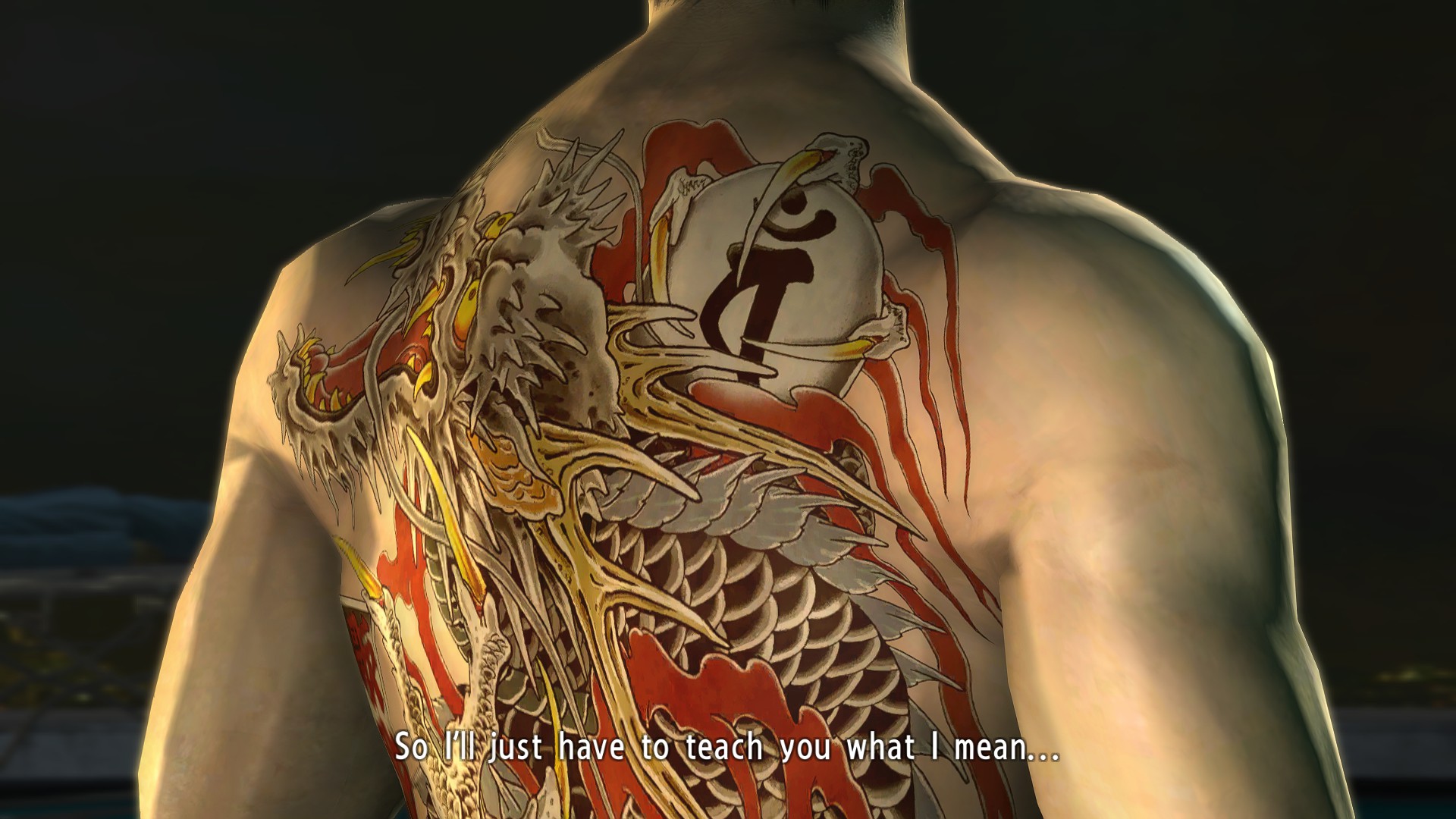
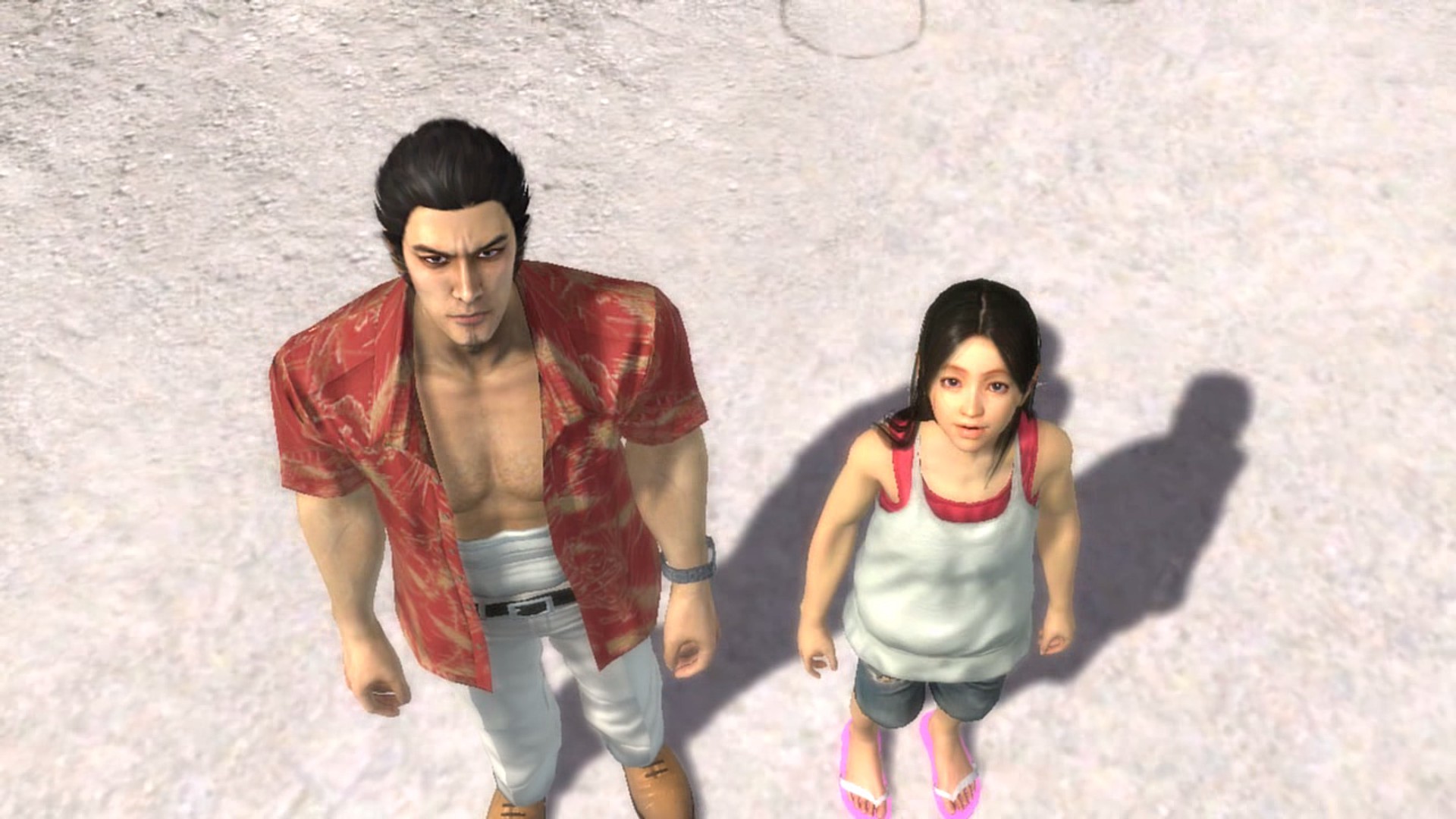
Yakuza 3: Remastered Review

 Beautiful Eyes.

Oh it has been a while, hasn't it? Several months, in fact, since my last review of Yakuza Kiwami 2. And how could that be? I already owned all of the Remastered collection when I finished Yakuza 2, and I already had 3 installed when I finished off the review for that game! Could it be that I was so enraptured by the intangible glory of Yakuza 3 that I felt the need to play it again and again for months on end? Well, considering my completion time was 30 hours, the shortest amount of time I've spent playing any Yakuza game, that can't be the case. So what could it be? Hmm... Perhaps because Yakuza 3 was, by the far, the most annoying, frustrating and inane experience that Yakuza has presented me so far and I am so very relieved to hear the good people of the fandom tell me that it's hands-down the worst one in the franchise, because I couldn't endure pain like that for a second time.

Obviously there was going to be some 'growing pains' going from the Kiwami franchise to the Remastered saga. That's more than ten years of video game design philosophy going straight out the window, afterall. But if you've been around this blog for a while then you'll probably know that I ain't one to dismiss a game merely because of it's age. My glowing reviews of the Baldur's Gate games should convey that well enough, I adored those games. What I can't abide, is a game so deeply and fundamentally broken that the very action combat system which is the cornerstone of this franchise (until we get to 'Like a Dragon') becomes imprisoned behind overzealous and painful combat necessities which turns every encounter into a mirror-image drag fest instead of the dynamic and free-flowing combat brawler I had come to love until this point. How did things get this bad? Let me start my explaining what makes Yakuza combat good.

At it's very heart the core gameplay of the Yakuza games is not inherently complicated. It's a very basic 'light attack', 'heavy attack' brawler system with grabs and special contextual super moves thrown ontop for a bit of variety. Progression slowly unlocks more specific abilities that can be employed, slowly opening up the depth of combat as the game trundles and becomes more complicated so that the general spread of combat possibilities never overwhelms the user when they aren't ready for it. Later Yakuza games threw in multiple combat styles with differing utilities, but even before those separate styles were bought in, the singular style approach of earlier games was functional and appropriate. What makes it so fun to play with is the increasing breadth of options that become available as you get more tooled up in the levelling. Different super moves, special attacks, new variation combos, utility move alterations; they all open up such an enthralling freedom for combat that the player constantly feels like they have direct control of a sprawling arsenal of attacks in every fight, which can make any old street brawl into a different experience. If every fight ended up playing out in the exact same way, then combat would get very old, very fast.

Which neatly brings us around to Yakuza 3, don't you know. For every previous game, playing on the hardest available difficulty mostly just effected the damage of attacks and the health of the enemy. Maybe some AI packages were made more ferocious as well, but for the most part you got exactly the experience as lower difficulties with an added punch. For Yakuza 3, however, higher difficulties were supplemented with a painfully asinine AI 'change up'. AI enemies were suddenly allowed to block, and they would; a lot. You really begin to understand the problem with this quickly during the very first fist fight with Majima, wherein what should have been a simple two minute tooth-and-nail brawl against the mad dog stretches into a seven minute+ nightmare once you realise that everytime you get the chance to pull a combo on him, he blocks the entire chain and takes no damage. Then you use a Heat Action, and it chips away one twelfth of a single one of his two healthbars. Safe to say: it is a miserable experience.

You see, you'll come to learn that Yakuza 3, unlike it's predecessors, doesn't want you to play with the freedoms of the toolset available to you however you want. Instead Yakuza 3 wants you to conduct fights in a very particular way. It wants you to sidestep enemies, dodge behind them and then sneak out a quick pitiful combo before rinsing and repeating. Heat actions do next to no damage, weapons can't break block, all you have is the sidestep and bait. This is how every fight will play out throughout the entire game and it is tedious, repetitive and creativity destroying. In the early game you'll probably end up trying to avoid random encounters with thugs. AVOIDING STEET THUGS: IN A YAKUZA GAME! Of course, fighting is what Yakuza is all about so you can only dodge the combat for so long before it's thrown at you screaming. Boss encounters become painful 'who can last the longest' slogs wherein you'll hit the boss upwards of a hundred times before they stop getting up again, group fights against swathes of enemies are a pain with the only consolation being the ability to switch targets mid-combo which seems to confuse the AI now and then, and almost every cool flashy heat action becomes functionally useless due to complete and total nerfing. It's a dire situation.

One further shackled system of this game's is the progression and levelling. You are granted EXP levels that can sink into one of four attributes which provide an ability, basic stuff. However, there's no way of knowing which attribute will unlock what skill, and though the game pretends you have free reign of which attribute you unlock, every level attribute level jumps the amount of EXP levels needed to raise it significantly, and the second you gain enough EXP to upgrade any attribute, the game will scream about it and plaster your upgrade opportunity all over the menu screen, begging you to upgrade every attribute at an even pace. Basically incentivising people not to try and pursue abilities and techniques specifically but to just take them as they come. A step down to what later Yakuza games leant towards. And largely moot on higher difficulties anyway since most of those abilities can't be used on anyone anyway.

As with any contrarian opinion, there is a special breed of deluded fan out there who not only swears by Yakuza 3's combat, but declares everyone else simple minded simpletons for coming to the logical conclusion that it just isn't fun. The excuses are always the same: "you don't like it because it's hard", erroneously equating frustration and tedium with 'difficulty' and "You just don't understand it's systems", that last one sounds intriguing, no? What systems could Yakuza be hiding, and pathetically explaining, so badly that it flies over people's heads? Well, lucky there's no end of videos on Youtube of people showing you how it's supposed to be done, and everytime it's the exact same routine. Counter an attack, knock the enemy into a wall until they glitch and bounce off the wall, and then stun-lock them to death. The same technique. Every fight. Yes, doesn't that sound exciting and diverse? Just as expansive and free as every other Yakuza game! Truly this is high level Yakuza 3 gameplay! (Yes, Yakuza 3 gameplay fans are deeply deluded just because they've found a way to squeak a cheese method out of a game the world rightly hates. That's what a hipster mindset does to you, folks!)

But a terrible combat isn't the only new system which Yakuza 3 lumps you with. There's also the 'chase' minigame which challenges Kiryu with chasing or escaping with more painful half-conceived ideas. For some reason there's a stamina management gauge which limits Kiryu's sprint time coupled with a 'shove' action which both drains that stamina and is the only way to whittle done escaping perps. Stamina reserves are typically just enough to beat your objective and require almost prescient reaction timing to account for dodging everyone in the crowd, jumping over every inexplicable obstacle and predicting every wild corner your annoyingly cowardly perp will run down. It is an attempt to bring something new to the gameplay slate, and I appreciate what the team were trying to do with these systems, but overall they fall flat in tandem, as you'd probably expect. There's also a hostess minigame which is, again, a total drag where you micromanage one girl based on keywords you need to look up a guide for to take advantage of because the game will not tell you what feedback equates to what taste. It's kind of like the precursor to the excellent hostess minigame of the 0 games onwards.

One of the new methods for gaining abilities involves Kiryu blogging, bizarrely enough. He is prompted to a random crazy event somewhere in the city, which he takes pictures of with his brand new phone, and then he blogs about it to an audience of, what I can only assume, are hardened Yakuza members who know of Kiryu and also double as his loyal fan boys who follow his every online post about random crap he spots on the street. Crap that involves, an old lady doing a full flip in her moped over a car and a child supplexing his father and dragging him into a sex toy shop because the kid's too stupid to know what 'adult toys' means. It's a fun and silly way to introduce Kiryu into new ways to dodge and throw enemies, and about as quirky as I'd expect from Yakuza. Making this throw away feature perhaps the only new addition to Yakuza 3 that I liked. Make of that what you will.

Before long I was avoiding all content from the non-essential routes of Yakuza 3 in favour of the main narrative, which at least was somewhat interesting and different to the previous stories. Kiryu Kazama is an early retiree, settling down in his Okinawa orphanage with a whole cast of new orphan kids and trying to live his life. The game spends a decent number of the chapters in Okinawa going through basic life lessons being taught to the kids, but done so in that typical RGG fashion which invites small scale drama and satisfying resolution. Largely these sections feel more wholesome than the Yakuza games are accustomed to being, what with their love of high drama, but these sections are no less well written and presented then the typical Yakuza fluff. During your stolen moments at the orphanage you'll really come to know the kids and maybe even like how varied and curious about the world they all are as you accept the role as their guardians. Of course, these quest chains can start to grate in the later chapters where the story quite literally brings it's own speedy pace to an utter standstill simply to try and rekindle some fatherly-devotion in the story, but overall it's a decent addition and a fine way to keep Haruka out of the events of the game. She can't be getting kidnapped when she's looking after kids in Okinawa, now can she?

Okinawa itself makes for a refreshing new location in the Yakuza pantheon of places, a less dense and packed group of city streets with a sunny tourist vibe to them. You feel less likely to get into trouble walking those streets, even if you are, technically, just as likely to run into street punks because that's just how the game's systems work. The narrative for these early chapters meanders a bit more in world building and stake placing, letting you somewhat naturally be introduced to the major players of the world without a huge exposition dump or 'third person introduction cutscene'. (Both those tropes are coming later in the story though, don't worry.) Okinawa neatly fits the slower pace which Yakuza 3 attempts to start with and makes for a neat atmospheric shift once the real plot kicks in.

Of course something has to eventually drag Kiryu out of the calm life and back into the Yakuza fold, and this time it's the attempted assassination of Daigo Dojima by a man who happens to perfectly resemble Kazama, Kiryu's adoptive father. This pulls Kiryu back to the busy streets of Kamurocho wherein he comes face to face with the new face of the Tojo clan and explores one of the more clandestine and politically active plots in the Yakuza franchise, which of course comes crashing into Kiryu's personal affairs in ways he cannot imagine from the outset. Date returns as a reporter, bizarrely, as well as a whole host of sub story characters who all largely felt like they were getting their final farewell in for this game. I wonder if Yakuza 3 was intended to once be the sign-off for the franchise, what with the rather startling allusions to 'finality' that the game starts to adopt in it's twilight hours. 

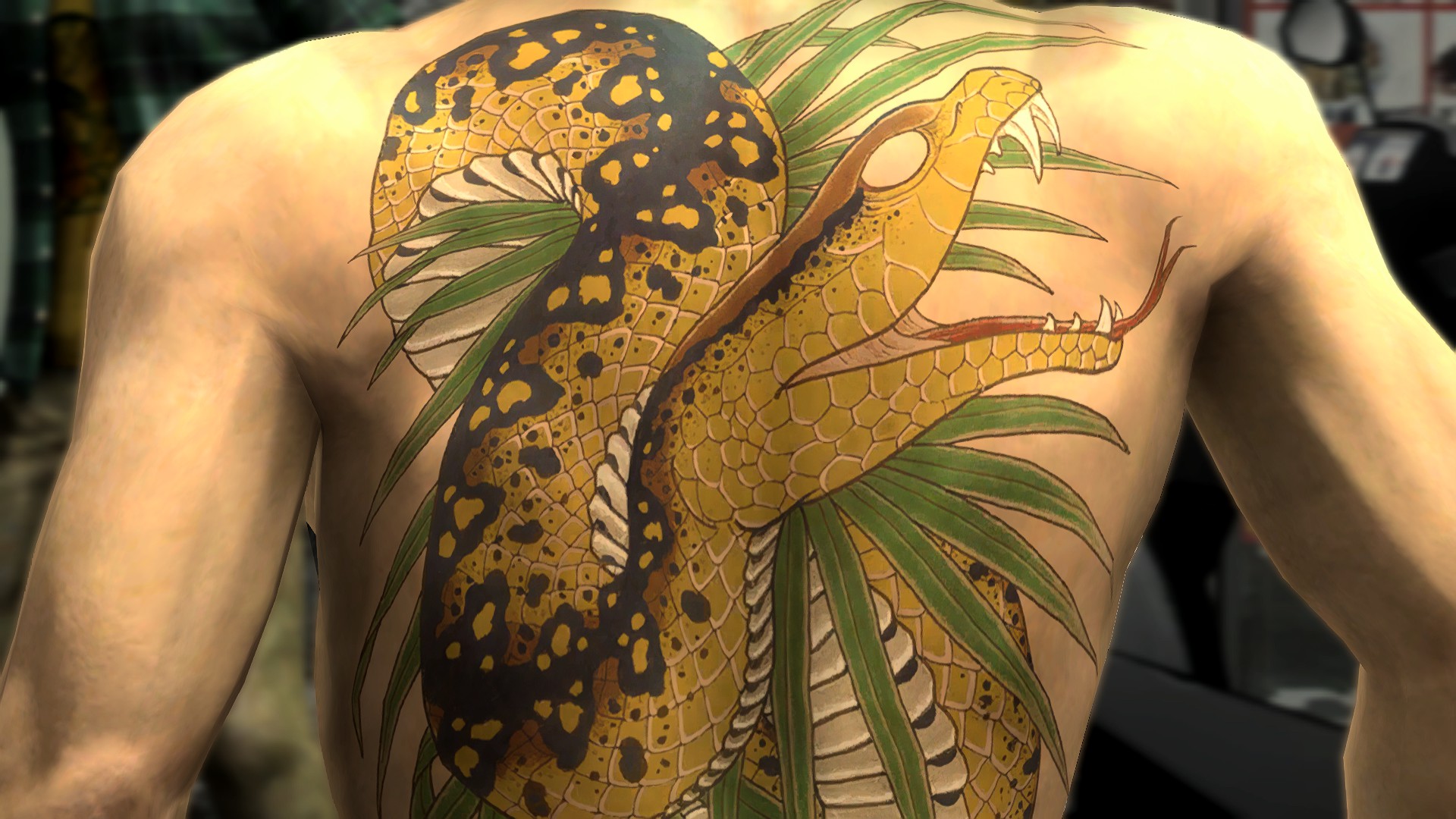
The plucky star-struck youngling of this game is Okinawan Yakuza member Rikiya, with his curly hair, viper tattoo and thug-with-a-golden-heart attitude. He reminds me of a more emotionally unrestrained young Kiryu in some ways, idealistic yet human. A far cry from the man Kiryu himself, who throughout the course of Yakuza 3 sheds the last vestiges of his human 'flaws' and pretty much ascends into a Christ-like figure. Kiryu is morally impeachable in general, but for Yakuza 3 he just becomes an almost eye-rolling paragon of virtue. He teaches orphan kids, remains the sole bastion of honour, and even when his most valued and treasured people in life are threatened and endangered, he never seems to act out of rage or grief. He's even so virtuous that the man insists on teaching life lessons to the big villains with fists for no reason other than a sporadic hunch that this is a guy he can get through to. All except for one supremely jarring scene where Kiryu, upon learning that Majima might be involved in the scheme against the Tojo, just blatantly announces that if Majima is playing dirty, then he'll have to kill him. Wait, what? Hasn't Kiryu avoided killing his entire career, but he's happy to kill a decades-old friend if they don't see eye to eye in that specific moment? (That's the tiniest bit wildly out-of-character, in my opinion.)

In many ways this does feel like the cap-off to Kiryu's arc. His rise to becoming accidental chairman and battling his sworn corrupted brother, to his struggles against his dark mirror Ryuji, his erstwhile counterpart, and now his evolution into a fulltime orphanage owner intercut with a battle against... honestly a final threat who feels a little like Nishki 2.0. By the end of the game there's a lot of seemingly undue talk about 'finality' and 'death' which seems to spurn out of nowhere and, considering the series is still alive and strong, goes nowhere. What the Kiryu of the next game might get up to in order to expand who he is could be anyone's guess, but I feel that from this point anything that drags him away from his life as an orphan rescuer can only really be more mild distractions that he is only barely  involved with, rather than actual involved character driven intrigue.

I found the cast to be largely likeably if somewhat underutilised. This narrative speeds through events as the game kills off pretty much every lose hanging thread these games have ever had related to Kiryu in an entry that feels like the most blood soaked. (At least in the moment.) The concept of 'Black Monday' is supremely under-explored and amounts to largely nothing, which I suppose lines it up neatly next to the surprise villains of Yakuza 3. And some key players, like the Minister, don't appear to have any significant role to play beyond 'exposition guy' for a single prolonged scene. Still, I think the story was fine for what it was, just lacking in a lot of the really engrossing character intrigue that really bought me into previous narratives. Maybe it was because I didn't like the gameplay, but I found the major story beats to be largely basic. 'There's a traitor; here's the list of suspects. Now you've whittled down them, I guess it was the last guy all along'. The only real rug-pull being the fact that there's a completely separate, more interesting sounding, plot that just happened to conveniently collide with yours? It didn't do it for me. 

I really wish Kiryu was more involved with the actual events going on for reasons other than sheer happenstance. Because a lot of Yakuza 3 can be summed up to sheer happenstance. Kiryu just happens to own an orphanage on land that just happens to become important. And not in the way that Yakuza 0 balances a similar plot, it just feels largely contrived to stir the Dragon. This story relies on it's emotional moments for dramatic tension, and they work just fine on the small level, when you're still dealing with nothing more than orphans, but when you start getting to the higher plot threads they are totally emotionless. When I think about the complex and developed cast of three that ruled Yakuza 0 and compare them with the caricature 'bad guys' of Yakuza 3's side cast, it doesn't even feel like the same franchise. And you can't tell me that good character writing was only developed in the last 10 years, because I won't buy that excuse! Also, Kaoru writes herself out of the story for no reason at the beginning of the game; because apparently Kiryu is the virgin mother and simply cannot keep a girlfriend for more than a few minutes. (That's the most relatable character trait left in the man!) 

Mine was a fine, if slightly confused, antagonist. His motivations seem to spur out of nowhere, which is waved away as a trait of his morally lost character, but then by that same merit he seems superbly morally judgemental for what essentially amounts to a money driven drifter. Someone who has that angry of a response to Kiryu simply because of what the Dragon of Dojima represents shouldn't also live his life by the moral compunctions of his bank account. And every thing he claimed to be, or was setup to be by the story, didn't really show on his face either. In many ways, Mine is like a more put-together Awano, only his apparent hedonism is only referenced, never represented. He seems like something of an paradoxical enigma that, quite honestly, should have been explored in later games; but to quote Chris Tucker: "He ain't gonna be in Rush Hour 3."

And I cannot wrap up without mentioning the way that this game attempts to leapfrog the cliffhanger ending of Yakuza 2 with another 'is Kiryu dead?' fakeout that borrows a cue from one of Yakuza 2's most iconic scenes. (Yes, the one with the Japanese reggae in the Kiwami version) It's pretty weak, mostly because I don't think anyone really would buy that Kiryu would be killed by a side-character in the story who was so brushed off that most people genuinely forgot he was even present in the game. Still, I appreciate the side villian trying his best to make one final attempt on our boy before he becomes fully immortal. I hear there's a scene of Kiryu strafing two rocketing missiles in the coming games; I can't wait to get to that level of absurdity.  

In summary, Yakuza 3 is a hugely disappointing game from a gameplay perspective, that muddles an occasionally heartfelt, but largely unimpressive main narrative. It's side content and quest were okay, but not particularly in depth, the new minigames felt weak and under-developed and the progression is a sad mistake that should never be repeated. Yakuza 3 is a game that, quite honestly, I think is probably worth skipping in the 'full saga playthrough'. I wouldn't recommend it at all, and it's grade on my arbitrary scale only come up to a C grade. That goodwill might just be left-over refuse from a franchise that I love, because if I had played this game first, I probably wouldn't have continued playing this franchise. But I did complete it, and the story wasn't terrible, so I think the game just about gets a passing grade. Also, the scene where Majima somehow sneaks an entire colosseum full of screaming spectators under our nose made me laugh, so it makes it out of a C- Grade for that. Poor show and a largely lacklustre entry. Luckily, I'm already eight hours into 4 and confirm that it's much better on all accounts so far. I can't wait to start reviewing that one!

Monday, 12 December 2022

Just stop, Marvel's Avengers; it's getting embarrasing.

 Looks who's still breathing!

I don't know if it's me being mean or if this circumstance is just sad, actually I think it's a little bit of both. Because to this day, years after launch, Marvel's Avengers is still holding on to it's lukewarm success through thick and thin. Which doesn't sound like a terrible way for a small indie company to live, but the live service of a Square Enix backed mega franchise should probably be at least making enough bank to thrive. Yet every indication we get of Marvel's Avengers success seems to indicate we're at the level of 'keeping the lights on and that's going to do it for now'. Which is galling in a year that has seen the death of two failed Square Enix Live Service start-ups already. (We've still got most of December ahead of us afterall; plenty of time for another.) Through it all the Marvel lights have stayed open for business, fuelled, seemingly, by the cocksure bravado of a franchise that never learnt how to say 'now, just give up this has dragged on for too long'.

As Marvel has grown decidedly longtoothed, so has Marvel's Avengers truly run us all aground with a spiralling race to get nowhere. The game that launched managed to 'whelm' across the board and it's becoming increasingly apparent that the development team has no substantial 'plan' to rework or fiddle with that base experience to coax anything new out of it. The 'Live Service' aspect of Marvel's Avengers appears to simply just be keeping the game slightly dynamic with the odd switch-up event here and there, and rush to try and implement all the assets they've already started collecting for unreleased characters. We already know they've got the voice lines for She-Hulk in the early months of this year, that there's still somehow no hide nor hair of the green machine means that the team are either stretching out their planned content obscenely, or they got an early preview of the She-Hulk show and wisely decided they didn't want to bring out anything related to that brand which might accidentally make their game seem even partially related to that burning dumpster fire of a show.

But there's nothing wrong with being clever about content; that's what all the big ongoing games like to do, only to completely change their plans and pretend they never made the long-term promise to begin with. (Looking at you, Bungie) There have been some content drops that have been worth the extended wait for Avengers players. The Black Panther content was supposed to be pretty fun and then there was the... I think there was a good reception to the... no, I guess the Black Panther release really was the only content drop that was unanimously praised in the past 2 years of the Avenger's life, wasn't it? I guess that might be because everything else just felt a little piddling and 'not worth the wait.' Kate Bishop was criticized for playing too much like Hawkeye, Mighty Thor had the same reactions with Thor. Time and time again the public seem to be coming back with the feedback that they want characters who play differently, not just look different. Which might be why everyone was so excited for the Winter Soldier!

I mean, who wouldn't be? A character buried in the pages of comics until his superstar rise to fame in the MCU partially ridden on the strength of Sebastian Stan and his very photogenic appearance. The Winter Soldier rose from obscurity to culthood through the efforts of the movie franchise, and whatsmore he's so conceptually distinct from the other Avengers there's literally no reason he'd ever be a copy-paste job. He's a gun-toting mercenary assassin, afterall; who's only link to the Avengers is a close friendship with the good Captain; what possible character could he feasibly play like? I'm being facetious for a point, you know it, so I might as well come out with it. They made him a clone of Captain America. I hear there's a bit of Black Widow in there as well, alongside some of his own flair; but the base animations are a one-to-one for the Cap and it makes literally no sense. There's even one move where you can see Bucky clasp his hands together to drive forward a shield into his enemies that isn't there. My man is fighting with an invisible shield; he's gone crazy!

Which isto say nothing about the visual design of the Solider. Bucky looks like a 'Teaser Play' render for one of their soulless 'Unreal Engine 5' render trailers. Paul Tassi was the first to say it, but his aghast has good company. The character model looks, once again, just atrocious. Like literal 'we have Sebastian Stan at home' energy; it makes you legitimately wonder if the team even bothered to actually keep any visual character designers on board when the game moved to it's skeleton crew model. He joins an entire cast of off-brand avenger characters who look just eerie enough to draw an eye and just off-putting enough to make you go "Oh god! Nevermind..." No amount of movie accurate character outfits can distract from that; which is just another reason why the designers shouldn't have gone for a realistic visual style!

The Winter Soldier is the big content drop of the past few months, and for their time fans are also given an increased gear level cap; always a moment of squinted eyes and resigned sighs amidst the people who were just resting at the last cap, and a new high level raid-type event which is going to feature the endgame boss of... MODOK. Again. Apparently the man has somewhat different abilities than he had in the main campaign, but it's still another example of a game with too few villains recycling more of it's content to prolong an already anorexic offering. If there was a more plentiful base game and if there was any sign of a sensible content road map ahead of Avengers, small content reshuffles like this would be fine; but as it stands you can't help but see these are death throes from one persistent cadaver.

Marvel's Avengers was quite honestly doomed before it was ever made. From the moment they slapped on a game model that seems so inherently opposed to Super Hero games, they kneecapped this concept's potential and now are shackled to an ongoing 'sigh' fest which is constantly the butt of the public. Gotham Knights fell for the same trap too, only they seemed to have pulled the monetisation parts of the live service elements leaving only the ill-fitting gameplay ideas. (Which is better? Maybe?) That Square has stuck with it for so long, despite their proven record of scrapping ideas that don't bear fruit, proves that this has either grossed enough to warrant keeping around, (which seems unlikely) Square has a plan to reshape this game into something spectacular (seems even more unlikely) or Marvel is pressuring them not to shut down through some contracting deal because they know it would reflect badly on the brand. (I'm inclined to believe that last one, personally.)

I know there are people who still play Marvel's Avengers, and the fact that they can find enjoyment in an experience like that is a wonder worth celebrating, but for the rest of us the sheer missed potential makes these updates a ghoulish horror show of parading some ugly dead body for all the world to gawk at. Like Google Stadia, only with slightly better prospects. At this point I can see nothing sort of a full rework from the ground up achieving anything substantial with the game, and considering it feels like development has long reached 'skeleton crew' mode, that seems like a utter wild pipe dream. But on the plus side, if you want to feel like the only Avengers team in the world, you and your friends can enjoy a pretty uncrowded ecosystem from today until Marvel launch a better game and don't need to keep this one alive for appearances anymore. (allegedly!)

Sunday, 11 December 2022

Game Marketing in 2022

Where are my ads at? 

It seems like a dour and stuffy topic, doesn't it? 'The marketing secrets of the industry!' hardly the fun topic of a dumb and silly blog. But I always think it's very interesting to try and tap into the most modern zeitgeist of the video game marketing world to determine exactly what it is that those who try to sell us our games think of us and our wants; that way we can figure out exactly when we're being horrendously talked down to by an army of professional snake oil merchants. Because it is by no means a solid art, marketing, and we can see it change in swathes through not-that-fine of a lens if only we stop and take a peak. And what better example is there of the general trends of industry marketing then observing a recent award show chock-full of trailers from the best of the best across the space? As such, I am going to be talking about the Geoff Keighley show yet again in order to extract salient tactics and techniques.

First I want to talk about the substance of trailers and how they've changed. Time was whenever there was a new video game trailer for an announced title, all that meant was a cinematically rendered animation depicting some vivid conception of how slick the development team wished they could make the game. Pre-rendered cinematics were the speciality of out-house marketing teams and something of a plague of the industry around about the time that players and payers began doubting the validity of marketing material after being burned for the umpteenth time. This Game Awards, however, saw a nearly universal dedication to either showing straight gameplay to us all, or mixing cinematics with a snippets of gameplay to keep us all on the hook. Even when we're talking about games that clearly had very little to show for themselves yet, gameplay still took precedent for most ad spots.

Of course there was some exceptions. Death Stranding 2 presented what we can probably assume will be in-game cinematics, which I'm fine with. Company of Heroes 3 threw an entirely live-action trailer that depicted people dressed in World War 2 garb- which I felt nothing for but I guess fans already know what those sorts of games are going to look like by now, don't they? DONTNOD's name game was rather sparse on the gameplay presentation, but for the most part the games we saw brought the goods. This probably comes to match the general sentiment as cinematic only trailer lack the ability to spark the interest and imagination of the audience like they once did. People write off and forget about cinematics in the modern age; but of course most marketing executives got their start working in out-house marketing firms, so those in-house marketing execs still funnel a little cinematic action into most trailers on the trail end just to keep their old buddies in the black.

Perhaps it's my recent discovery of Left 4 Dead which has made me especially cognizant of this other little trick, or just my coincidental familiarity with most every reoccurring franchise revealed, but there seems to have been a uptick in clever uses of musical cues for sequel reveals. Musical motifs and callbacks work very well in cutting through the cynicism of the watching eye and breaking through to the unspoken emotional response centers in our brains; because it's hard to roll your eyes and go "Uh, they're doing another one of these instead of something new!" When instead of seeing a familiar game with a number at the end, you're struck with a familiar cord that instantly reminds you of how you felt playing the original. It's a clever little trend of marketing that should probably be used a bit more, it's pretty effective.

Supergiant's cinematic trailer was already pretty exciting because theirs is a pretty storied studio, I think pretty much everyone was at the edge of their seat trying to figure out where their new game direction would lead. Of course, in hindsight we literally see a wreath around the new character's head just like was present in the first Hades, but still- many Supergiant titles don't look excessively different from one another. (They've got a style and it's a strong one.) But the real moment of excitement was when the new character was revealed and the trailer strung the musical cues of the original Hades, synching up that dawning moment of realisation for the entire audience; very clever. Death Stranding 2 also did this, having a whistled version of the incredible 'BB's Theme' that I know still tickles the spine of every Death Stranding fan everytime they hear it. Personally, I was struck with those chills but I couldn't place where I knew it from straight away, which prickled up my excitement and invested me fully in the trailer footage. See, it works! 

Of course not every technique for securing attention is high brow, and not all of it is especially new in execution. Sometimes the very best way to ensure that people flock to your game's trailer is to hire on a famous face with a following and allowing that following to follow that face to your product. Celebrity casting has become something of a scourge of late, which I've commented on previously, for the way that it forgoes the 'right person for the job' in favour of the 'most expensive person'. Point-in-case: Chris Pratt for Mario. But honestly, you can turn to any animated movie of the past thirty years and see this in play. In gaming that phenom is lesser, most developers don't have the spare capital to hire big names, but the AAA studios and big developer backers just can't enough of digitised actors lending their voices and faces to games, even in the modern age.

Death Stranding 2 is obviously flooded with famous faces rendered to a super-real fidelity, but I do have a tendency towards accepting these casting choices. When Kojima hires someone, it's because he wants to utilise their unique talents and we really do see that with the main cast of the first Death Stranding. So I give them a pass. But does Idris Elba need to be in Cyberpunk's new DLC? Does he really have a talent only he can provide this performance that a proper voice actor can't? It's really hard to say if he does or doesn't at this point, and maybe I'm just tired of seeing him everywhere, but that casting did raise my eyebrow with scepticism just a little. And then there's the awfully named 'Crime Boss: Rockay City' which seems to have sunken so much capital in acquiring famous actors and de-aging their faces for character models that the team forgot to hire a studio to actually sell the game. I have no idea what the game even is beyond a shooter; so a mixed bag in that department, I'd say.

Overall I'm liking the marketing trends that we're seeing, for the fact alone that they make for entertaining and fun showcase events. The age of guided narrator walkthroughs feels a little old-school, faux-real squad talk is a relic, rightly dead and buried; what the game trailers of today are doing feel sleek, modern and refined. Which isn't to say I loved everything we've been seeing recently. Trailers are still largely being cut together as 'teaser trailers' for their entire marketing run. Most video game companies haven't figured out how to do a 'story trailer' in a manner that actually highlights the story. But we're making good innovations in the right direction. Now all we need is for the games that are planning to flood their audience with microtransactions a week after launch to declare that upfront so we know not to get excited for their games. (Looking at you, Crash Team Rumble!)